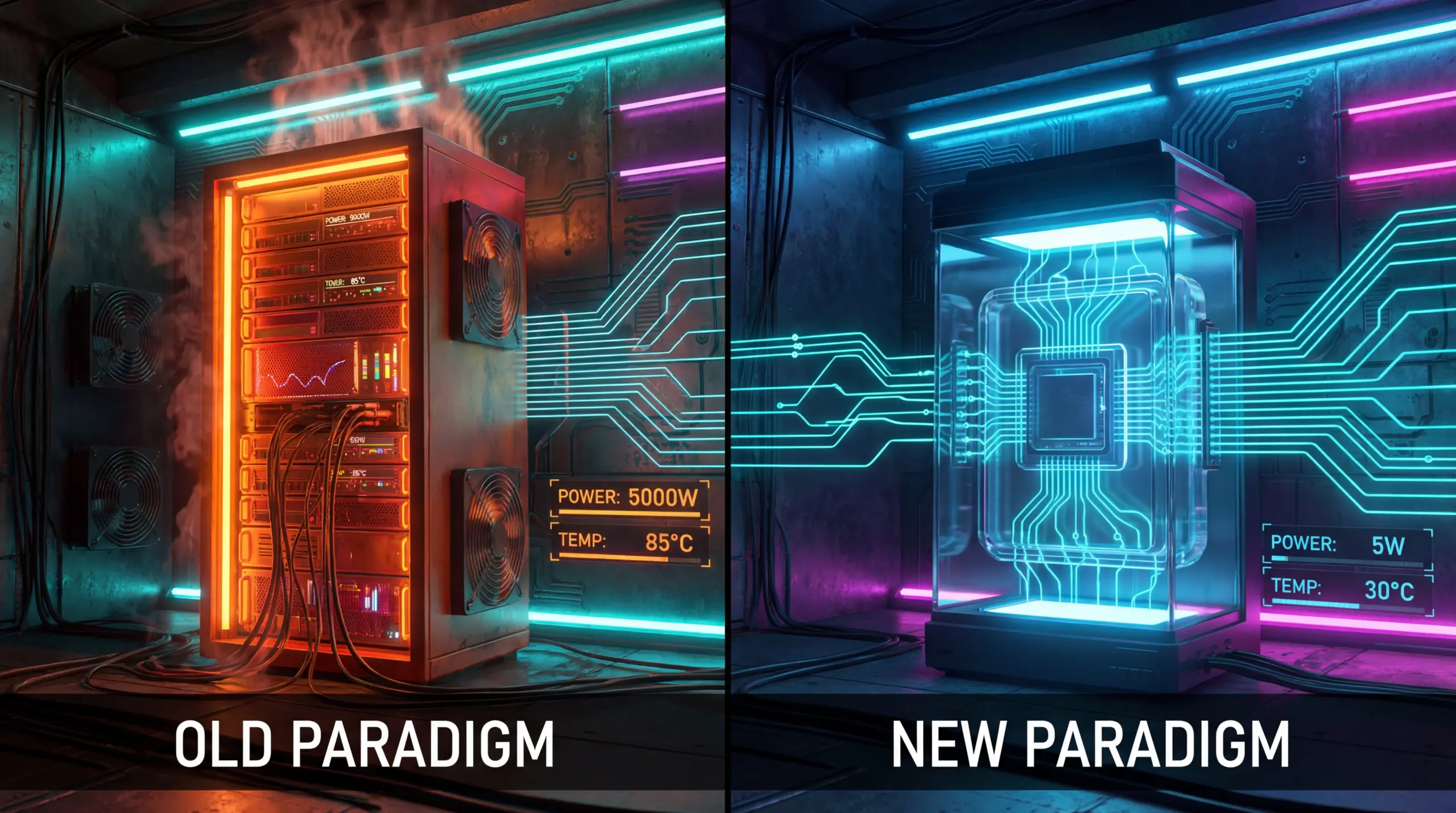
How Neuromorphic Computing Just Ended NVIDIA’s Edge AI Monopoly
Intel Loihi 3 and IBM NorthPole achieve 1,000x GPU efficiency.
[🧠] Sapien Fusion Deep Dive Series | February 4, 2026 | Reading time: 4 minutes
In January 2026, while the AI industry fixated on GPU shortages and the latest LLM benchmarks, two semiconductor announcements quietly demolished every assumption underlying robotics, autonomous vehicles, and edge AI deployment strategies written in the past five years.
Intel’s Loihi 3 neuromorphic processor—8 million neurons, 64 billion synapses on 4nm silicon—executes tasks requiring 300+ watts on GPUs while consuming 1.2 watts.
IBM’s NorthPole takes a completely different architectural approach, co-locating memory and compute to achieve 72.7x greater energy efficiency than state-of-the-art GPUs for language model inference.
These aren’t incremental improvements. They’re architectural paradigm shifts that fundamentally alter the economics of deploying intelligence at the physical edge—where sensors meet reality, where milliseconds matter, and where battery life determines what’s possible versus what remains theoretical.
The proof arrived faster than anyone expected. A quadrupedal inspection robot equipped with Loihi 3 operated continuously for 72 hours on a single battery charge. The GPU-powered predecessor lasted 8 hours.
That’s not optimization.
That’s a category change.
The Complete Series
This deep dive explores the emergence of neuromorphic computing through six focused articles that examine technical breakthroughs, real-world validation, market dynamics, and strategic implications.
Part 1: The Three Walls
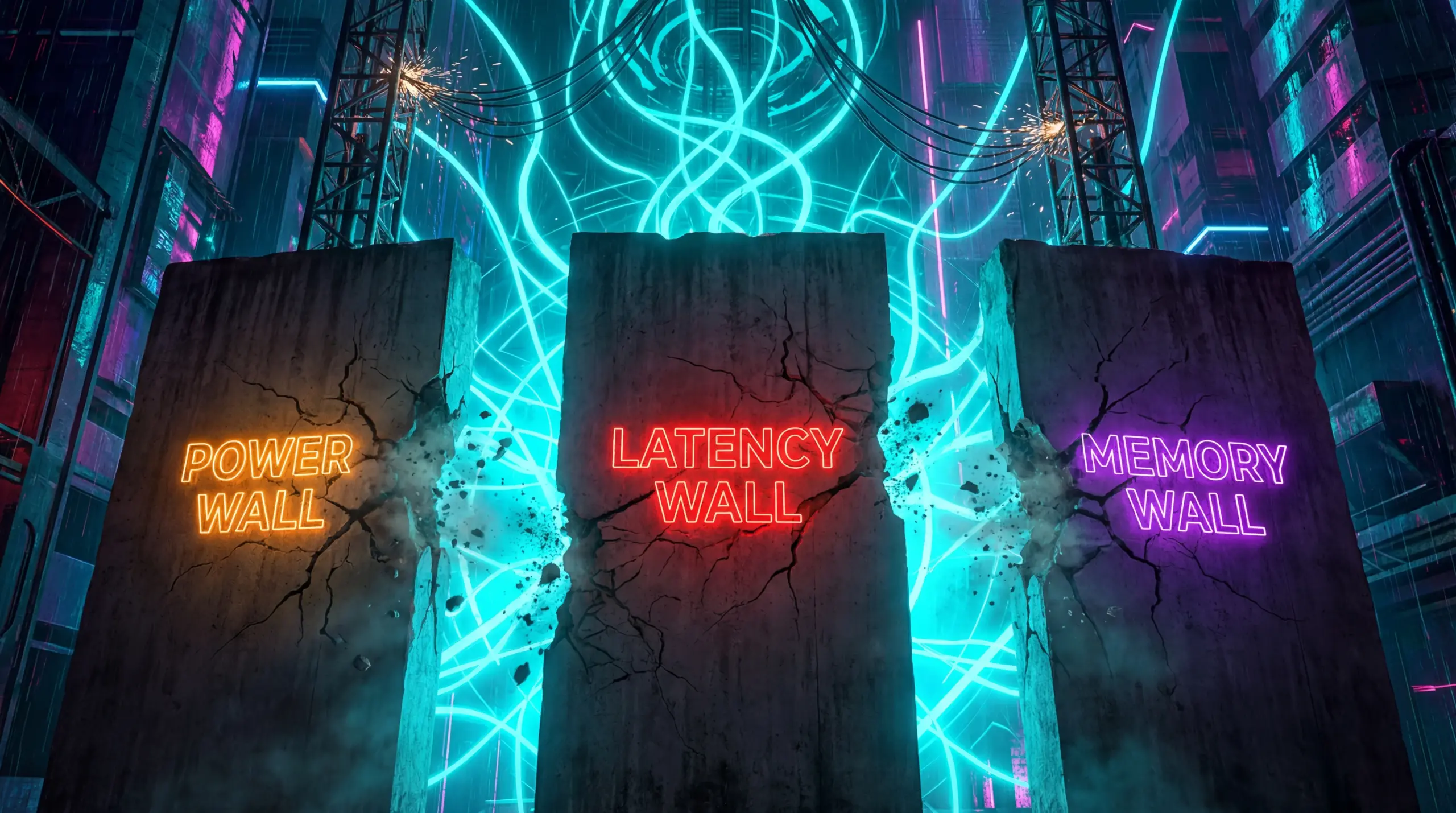
Why GPU Architecture Can’t Scale to the Edge
GPUs face fundamental constraints at the physical edge: the power wall, the latency wall, and the memory wall.
Part 2: The Efficiency Breakthrough
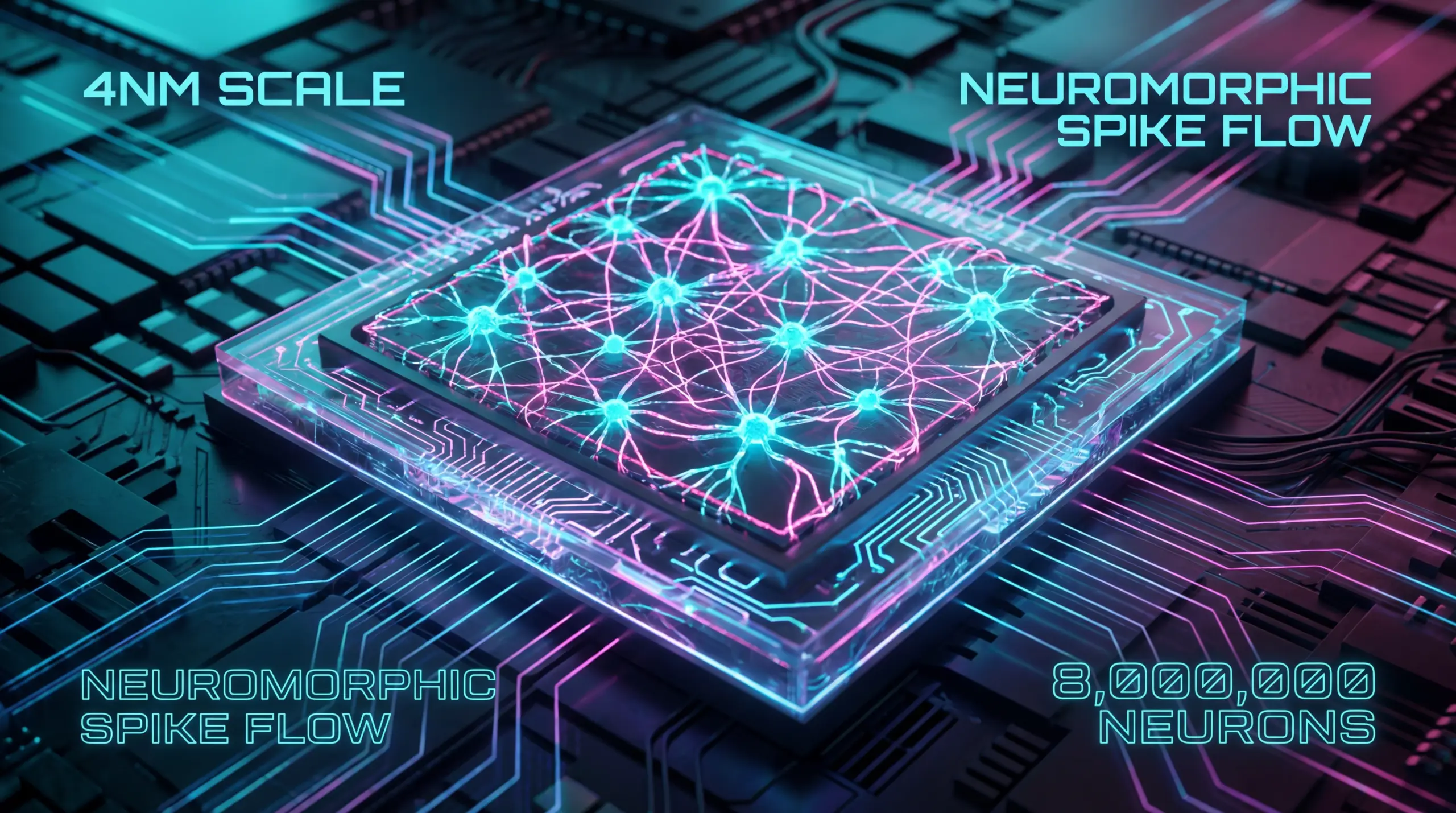
The 1,000x Efficiency Breakthrough
Intel’s third-generation neuromorphic processor achieves 8 million neurons on 4nm silicon. Technical deep dive into event-driven computation.
Part 3: IBM NorthPole
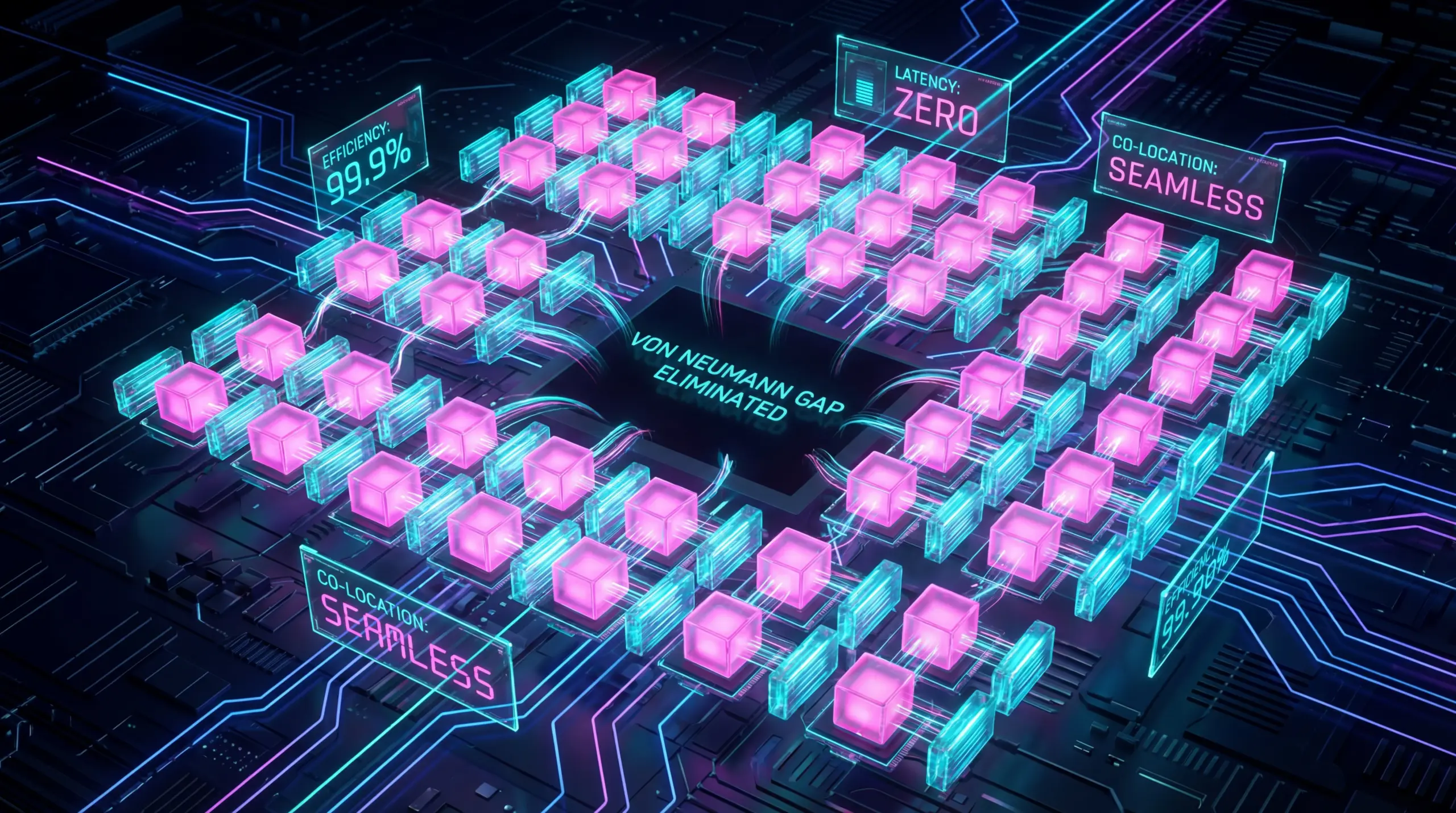
Solving the Von Neumann Bottleneck
IBM’s radically different approach: co-locating 224MB memory across 256 cores eliminates external memory access.
Part 4: The ANYmal Proof
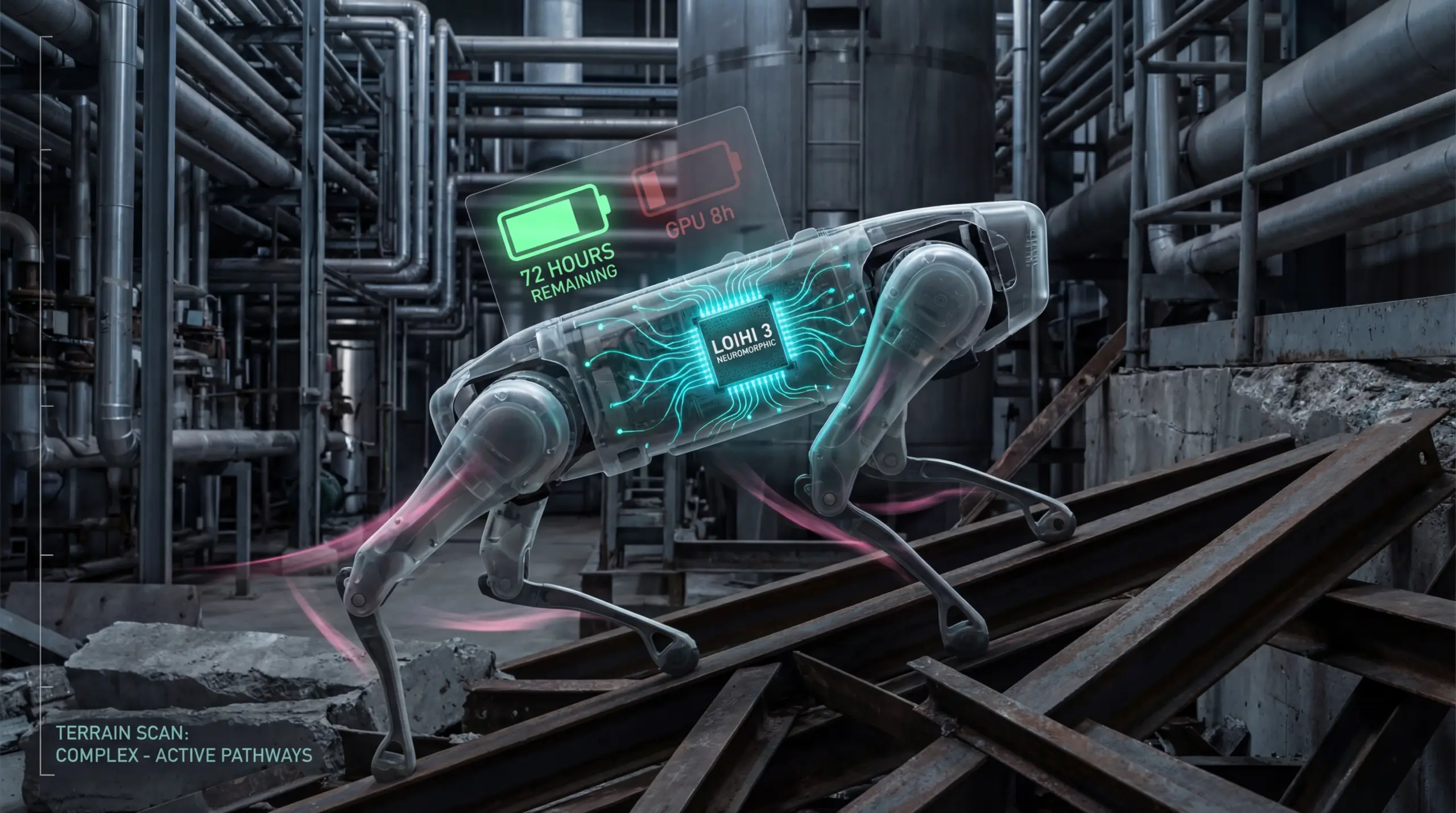
72 Hours on One Charge
The quadrupedal inspection robot operating 72 hours continuously proves commercial viability. Real-world validation.
Part 5: The Automotive Bet
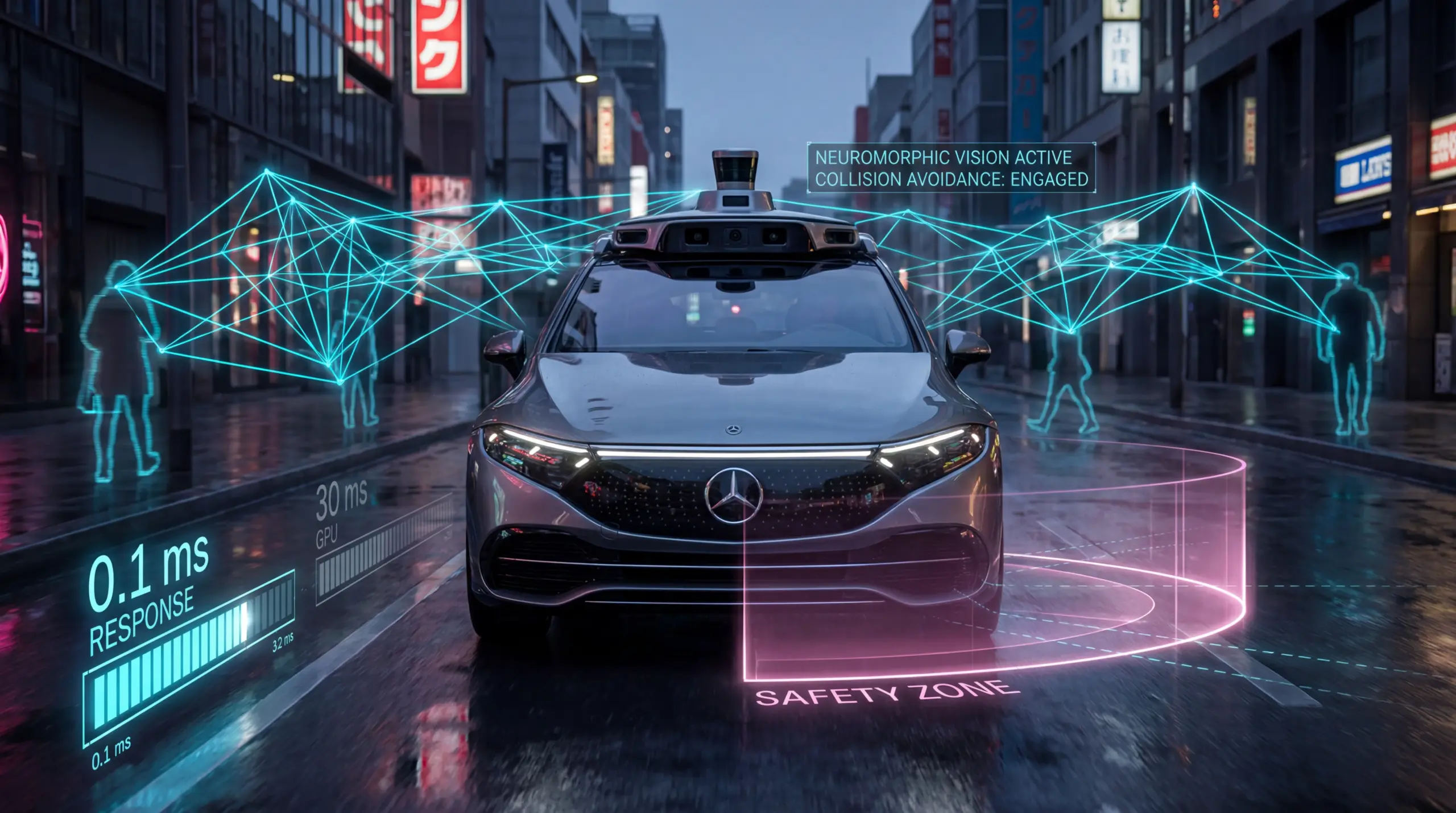
Why Mercedes-Benz and BMW Went All-In
Mercedes-Benz targets 0.1ms pedestrian detection and 90% energy reductions. Analysis of safety implications.
Part 6: The Software Problem

Why Neuromorphic’s Biggest Challenge Isn’t Hardware
Hardware capabilities exceed software ecosystem maturity. Timeline: 2-3 years for mainstream developer tools.
The Strategic Window
Timeline for production deployment: 18-36 months
Market inflection: 2027-2028 for automotive, industrial robotics
Software maturity: 2-3 years for mainstream developer tooling
Competitive advantage: Narrowing rapidly as early movers integrate
The GPU monopoly at the edge just ended. The question isn’t whether neuromorphic computing matters. The January 2026 launches settled that debate conclusively.