
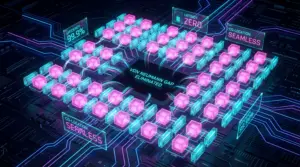
Part 3: IBM NorthPole
This is Part 3 of our 6-part Deep Dive series on neuromorphic computing—the brain-inspired processors achieving 1,000× efficiency improvements over GPUs at the edge. ←
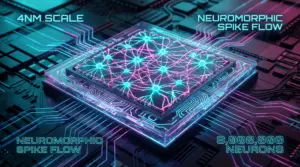
Part 2: The 1,000x Efficiency Breakthrough
This is Part 2 of our 6-part Deep Dive series on neuromorphic computing—the brain-inspired processors achieving 1,000× efficiency improvements over GPUs at the edge. ←

Part 1: The Three Walls
This is Part 1 of our 6-part Deep Dive series on neuromorphic computing—the brain-inspired processors achieving 1,000× efficiency improvements over GPUs at the edge. Index
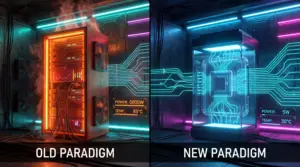
The Brain-Inspired Revolution
Intel Loihi 3 and IBM NorthPole achieve 1,000x GPU efficiency. The neuromorphic revolution just ended NVIDIA’s edge AI monopoly—and the strategic implications cascade across robotics, autonomous vehicles, and distributed intelligence deployment.
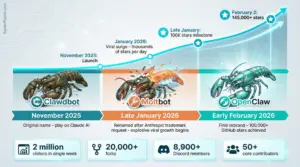
The Lobster Revolution
I’ve been tracking AI developments for years, but nothing prepared me for what happened in January 2026. Within weeks, an open-source AI agent called OpenClaw (previously Clawdbot, then Moltbot) exploded from obscurity to 100,000+ GitHub stars.

The Capital Efficiency Paradox
The conventional narrative says frontier technology requires massive capital. These women are proving the opposite: capital efficiency isn’t about doing less with less—it’s about achieving breakthrough outcomes through architecture that compounds rather than burns resources.

Part 3 – $800M to Rebuild Drug Discovery
Daphne Koller’s insitro reduces drug development from 10-15 years to 3-6 years through ML-first architecture—computational prediction replacing 80% of wet lab experiments, achieving 80-90% Phase I success rates.