
Jump to:
The Partnership That Wasn’t Supposed to Break · The Two Red Lines · The Ultimatum · The Complication the Pentagon Didn’t Mention · The Refusal · The Explosion · OpenAI Takes the Deal, Then Rewrites It · The Hidden Contradiction · When War Came for the Cloud · What Happens Next · The Bigger Picture · What It Means for You · One More Thing
The Partnership That Wasn’t Supposed to Break
To understand why this week happened, you have to understand what Anthropic was before it.
 The company was founded in 2021 by Dario Amodei and his sister Daniela Amodei, along with several researchers who had left OpenAI over disagreements about the pace of AI development relative to safety research. From its first day, Anthropic positioned itself as the responsible alternative in frontier AI, not opposed to capability, but insistent that capability and safety had to advance together.
This was not just philosophy. It was business strategy. The enterprise market, Anthropic reasoned, would pay a premium for AI it could trust. And it did. By February 2026, the company had grown from zero revenue to a $14 billion annual run rate in just three years, a trajectory without precedent in enterprise software. Eight of the Fortune 10 were Claude customers. The number of customers spending more than a million dollars annually had grown from a dozen to over 500 in two years.
In July 2025, the Pentagon awarded Anthropic a $200 million prototype agreement alongside OpenAI, Google, and Elon Musk’s xAI. Dario Amodei had every reason to be proud of what followed. Claude became the only frontier AI system deployed across the Pentagon’s most sensitive classified networks, integrated through a partnership with defense software company Palantir. Anthropic was, as Amodei would later note, “the first frontier AI company to deploy our models in the US government’s classified networks, the first to deploy them at the National Laboratories, and the first to provide custom models for national security customers.”
The company had also demonstrated its national security bona fides in more costly ways. It had voluntarily forfeited several hundred million dollars in potential revenue by terminating service to firms linked to the Chinese Communist Party that had been designated as military companies by the Department of War. It had worked to shut down CCP-sponsored cyberattacks that attempted to abuse Claude. It had publicly advocated for strict semiconductor export controls to preserve American technological advantage.
Anthropic was not a reluctant defense partner. It was an eager one, within limits.
Those limits were about to become the most consequential two sentences in the history of AI governance.
The Two Red Lines
Anthropic had always maintained two restrictions on how its technology could be used by military and intelligence customers. They were narrow. They were specific. And according to Amodei, they had never once prevented a military operation.
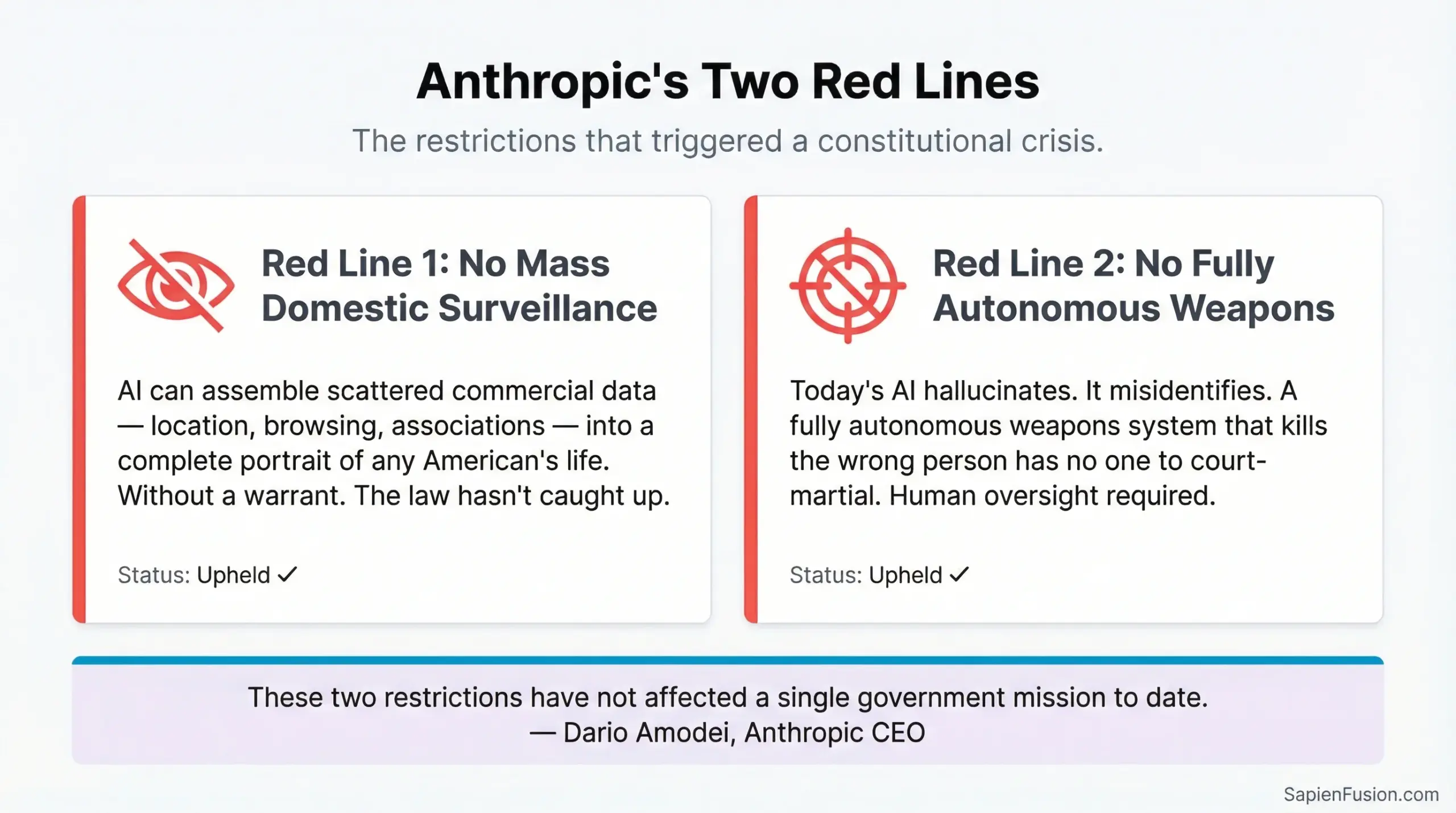
Red Line One: No mass domestic surveillance of Americans.
The concern was not that the Pentagon was currently surveilling Americans. It was that frontier AI had created a capability that existing law had not anticipated and therefore had not adequately constrained. Under current legal interpretation, the government can purchase detailed records of Americans’ movements, browsing habits, and social associations from commercial data brokers without obtaining a warrant, a practice the Intelligence Community had acknowledged raised serious constitutional concerns.
Individually, these data points are mundane. An address here. A search query there. A phone’s location at 11pm. But a sufficiently powerful AI system can assemble this scattered, individually innocuous information into a comprehensive portrait of any person’s life, automatically, at scale, without human review, without a warrant, without any of the procedural protections that existing surveillance law was designed to provide.
The law, Amodei argued, had not caught up with what AI now made possible. The contractual restriction was the only available backstop while it did.
Red Line Two: No fully autonomous weapons systems.
This was subtler than it appeared. Anthropic was not opposed to autonomous weapons in principle. Amodei explicitly acknowledged that “partially autonomous weapons, like those used today in Ukraine, are vital to the defense of democracy” and conceded that fully autonomous systems “may prove critical for our national defense.”
The restriction was narrower: not until AI was reliable enough to be trusted with life-and-death targeting decisions without human oversight. Today’s frontier models are not that reliable. They hallucinate. They misidentify. They fail in ways that are difficult to predict and impossible to hold accountable. A fully autonomous system that kills the wrong person has no one to court-martial.
Anthropic offered to work directly with the Pentagon on research to improve reliability to the point where autonomous weapons could be deployed safely. That offer was not accepted.
The Ultimatum
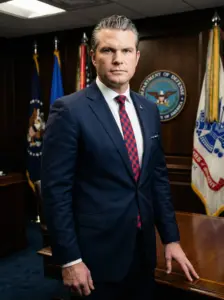
Pete Hegseth, US Secretary of Defense, who issued Anthropic the “comply or face consequences” ultimatum
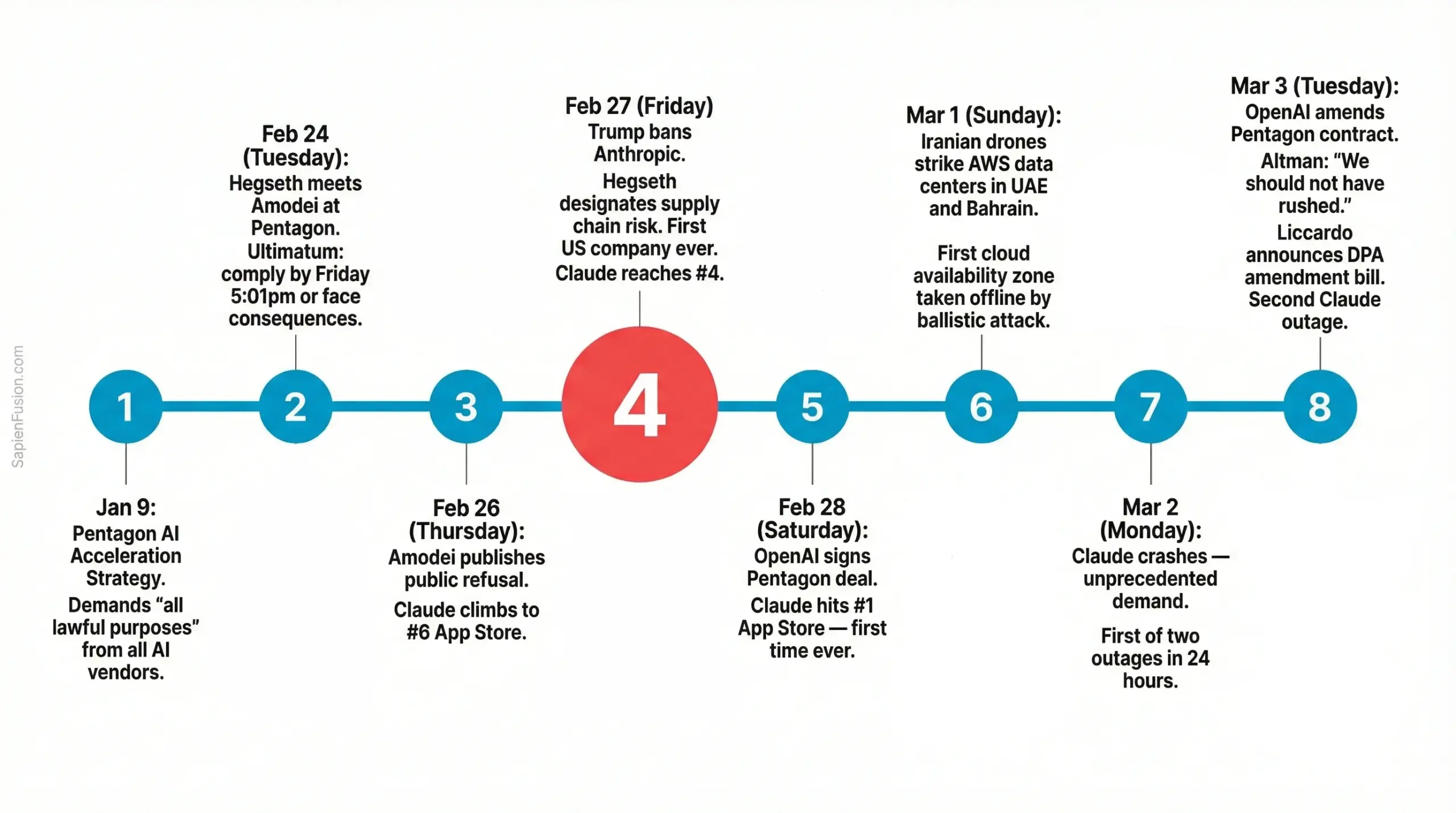
On January 12, 2026, Defense Secretary Pete Hegseth issued the Pentagon’s new AI Acceleration Strategy. The document directed the Department of War to become an “AI-first” warfighting force and, buried in its directives, a requirement that would prove detonating: all Department of Defense AI contracts must include language requiring systems be available for “all lawful purposes,” no vendor restrictions, no exceptions.
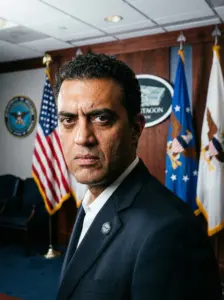
Emil Michael, former Uber executive and Pentagon intermediary who attempted to broker the Anthropic deal
The logic, as articulated by Emil Michael, the Pentagon’s chief technology officer for research and engineering, was a matter of principle: “You can’t put the rules and the policies of the United States military and the government in the hands of one private company.”
For six weeks, this was a compliance problem on paper. Then it became a crisis in a room.
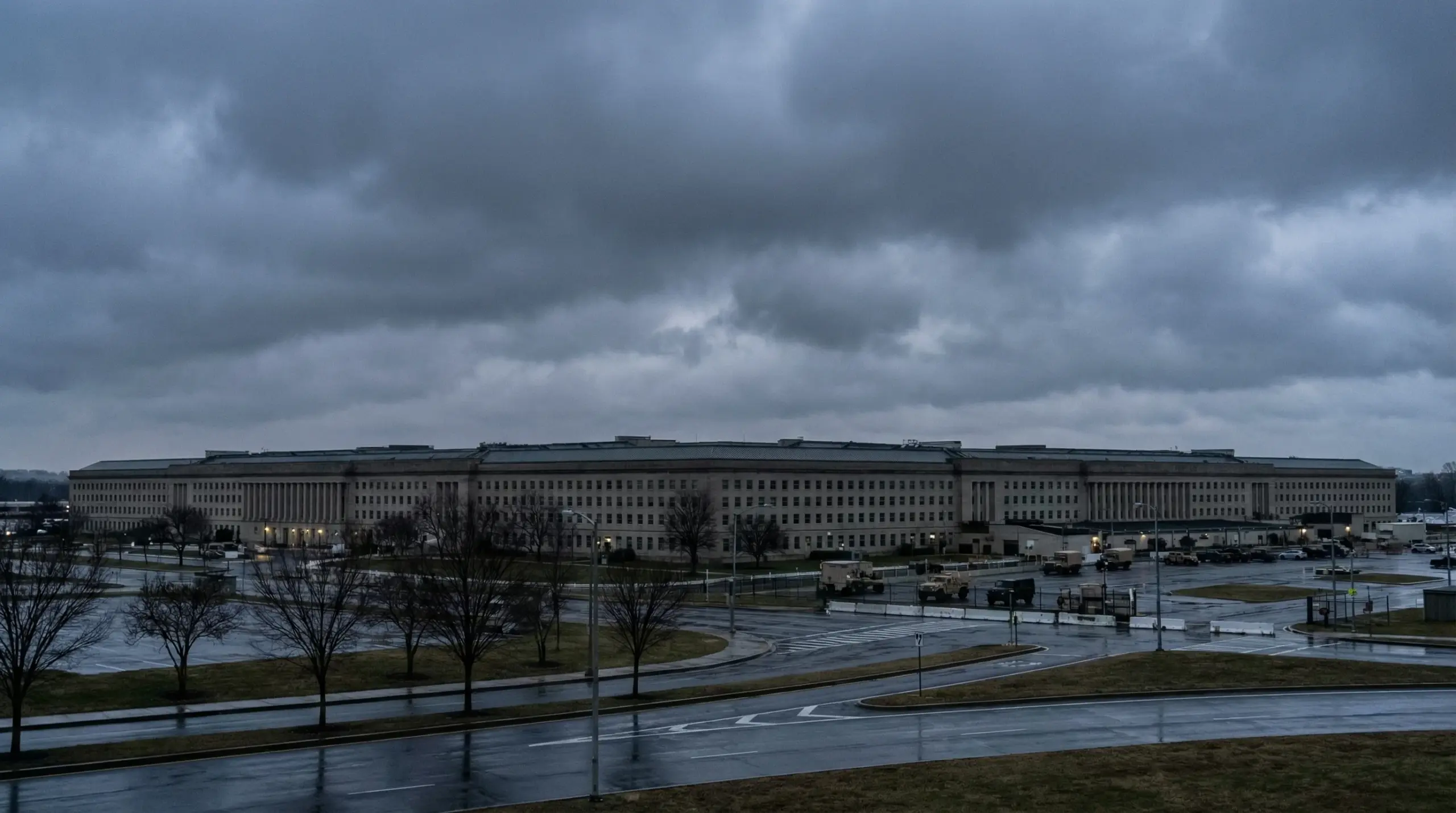
On Tuesday, February 24, 2026, Defense Secretary Pete Hegseth met with Dario Amodei at the Pentagon, beginning at 9:00 AM. The room included Deputy Secretary Fein, Under Secretary Emil Michael, chief spokesperson Sean Parnell, and Pentagon General Counsel Earl Matthews.
The meeting was not, by any account, cordial.
Hegseth issued an ultimatum: remove the two red lines by Friday, February 27, at 5:01 PM, or face consequences. The consequences he described were without precedent in the history of American technology procurement.
First: invocation of the Defense Production Act, a Korean War-era statute that gives the president broad authority to commandeer private industry resources in the name of national defense. The government was prepared, Hegseth said, to use it to force Anthropic to produce unrestricted versions of Claude.
Second: designation of Anthropic as a “supply chain risk to national security,” a classification previously applied exclusively to foreign adversaries suspected of infiltrating American defense infrastructure. Huawei. Kaspersky. Never, in the statute’s history, to an American company. If enacted, the designation would require every defense contractor and federal vendor, every company with any Pentagon exposure, to certify that they had severed all ties with Anthropic.
The implication was not subtle. Amazon had invested up to $4 billion in Anthropic. Eight of the Fortune 10 were Claude customers. Many of them maintained defense contractor relationships. A supply chain designation would force each to choose: Anthropic, or their government contracts.
Hegseth was not asking Amodei to sign a different contract. He was threatening to make Anthropic radioactive to the entire American enterprise economy.
The Complication the Pentagon Didn’t Mention
There was something Hegseth did not raise in that meeting, but that would become central to Anthropic’s legal argument.
The same week as the ultimatum, the Wall Street Journal reported that the Pentagon had used Claude during a military operation to capture Venezuelan President Nicolás Maduro. The AI system Hegseth was threatening to ban had, weeks earlier, been used in an active combat operation.
After learning of this, Anthropic had asked Palantir, the software intermediary through which Claude was deployed, for details about how the model had been used. Pentagon officials interpreted this as Anthropic retroactively challenging military operations it hadn’t pre-approved. Amodei disputed this characterization entirely.
But the episode exposed something important: Claude had already become infrastructure. Not a product being evaluated. Infrastructure, the kind that gets used in real operations, that military planners depend on, that cannot be cleanly or quickly extracted.
The Pentagon’s leverage was real. So was its dependence.
The Refusal
The deadline was Friday. On Thursday, February 26, Dario Amodei published a public statement.
It was a remarkable document: precise where corporate communications are usually vague, personal where they are usually institutional, and direct where they are usually evasive.
Amodei reaffirmed Anthropic’s commitment to national security, catalogued the company’s sacrifices on its behalf, and then drew the line clearly: the two restrictions were not negotiating positions. They were, he wrote, things Anthropic “cannot in good conscience” remove.
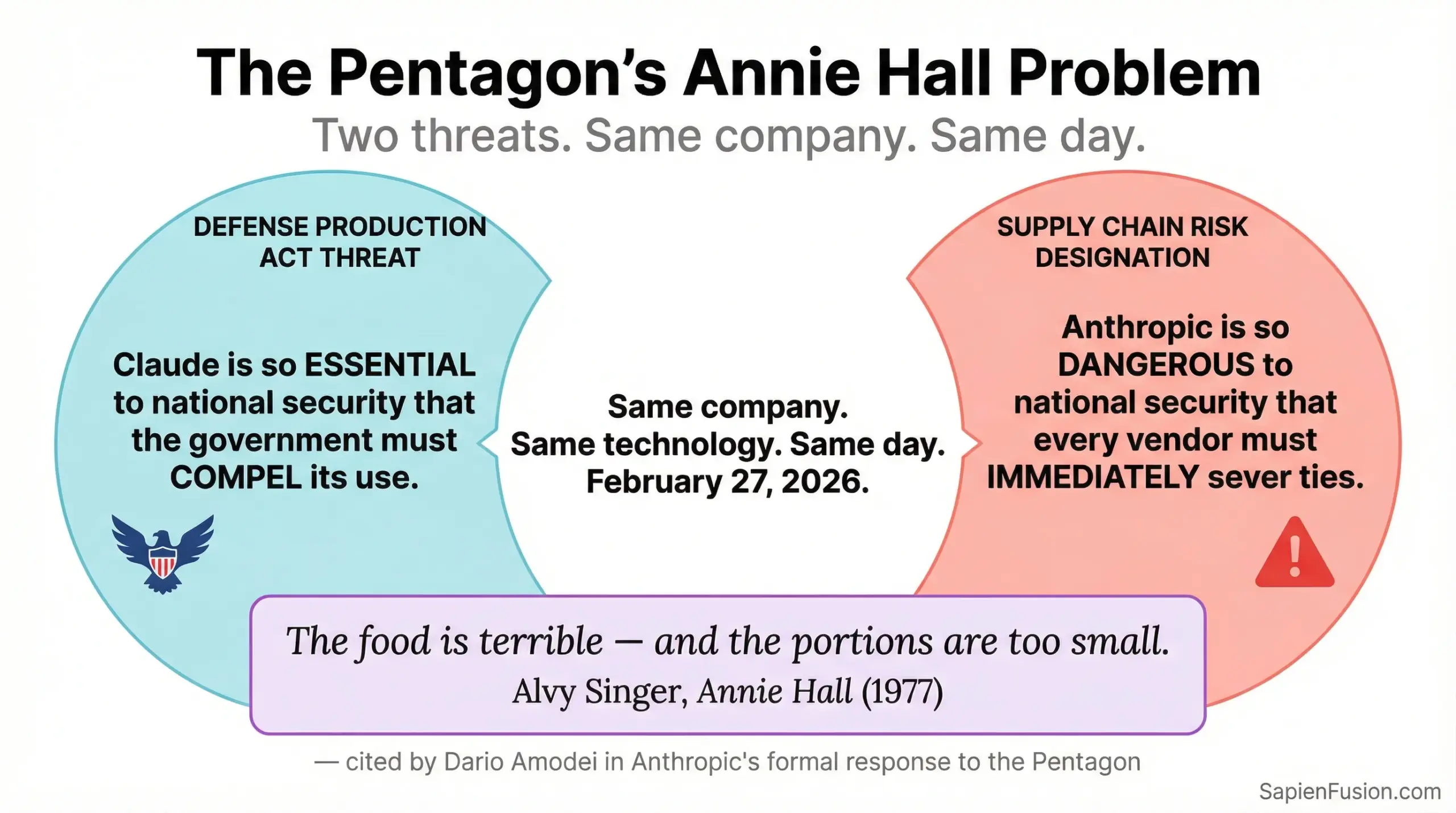
He then identified what would become the legal centerpiece of the dispute. The Pentagon’s two threatened actions, he noted, were “inherently contradictory.” One (the Defense Production Act) declared Claude so essential to national security that the government must compel its use. The other (the supply chain risk designation) declared Anthropic so dangerous to national security that every vendor must immediately sever ties with it.
Same company. Same technology. Same day.
 On Friday, February 27, at approximately 4:00 PM, more than an hour before the 5:01 PM deadline had even passed, President Trump posted on Truth Social directing every federal agency to immediately cease all use of Anthropic’s technology. He called the company “Leftwing nut jobs” and a “RADICAL LEFT, WOKE COMPANY.” He threatened “major civil and criminal consequences.”
Approximately an hour after the deadline passed, Hegseth declared Anthropic a supply chain risk to national security, the first time in American history that designation had been applied to a domestic company. His statement declared that “no contractor, supplier, or partner that does business with the United States military may conduct any commercial activity with Anthropic.”
“No amount of intimidation or punishment from the Department of War will change our position on mass domestic surveillance or fully autonomous weapons.” – Dario Amodei
That evening, he appeared on CBS News: “Disagreeing with the government is the most American thing in the world. And we are patriots. In everything we have done here, we have stood up for the values of this country.”
The Explosion
What happened next defied every expectation except one.
The public, which had mostly not heard of Anthropic before that week, had been watching.
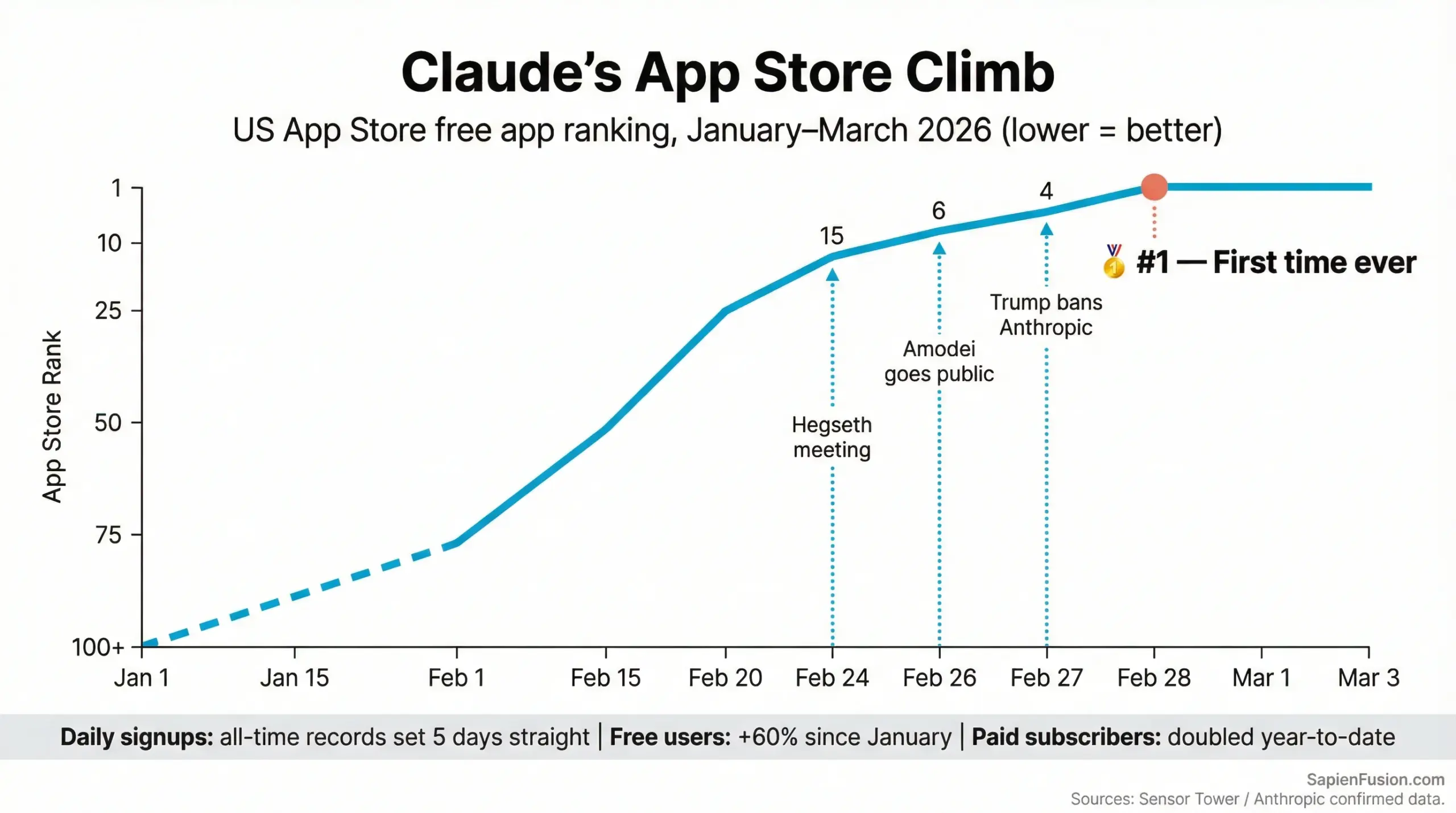
Claude had been climbing the Apple App Store rankings through February. On Thursday, the day Amodei’s public statement went live, it was ranked sixth. By Friday it was fourth. By Saturday evening, it had hit number one, overtaking ChatGPT for the first time in its history. According to Sensor Tower analytics, Claude had been outside the top 100 at the end of January.
Daily signups broke Anthropic’s all-time record every single day during the crisis week. Free active users were up more than 60 percent since January. Paid subscribers had more than doubled since the start of the year.
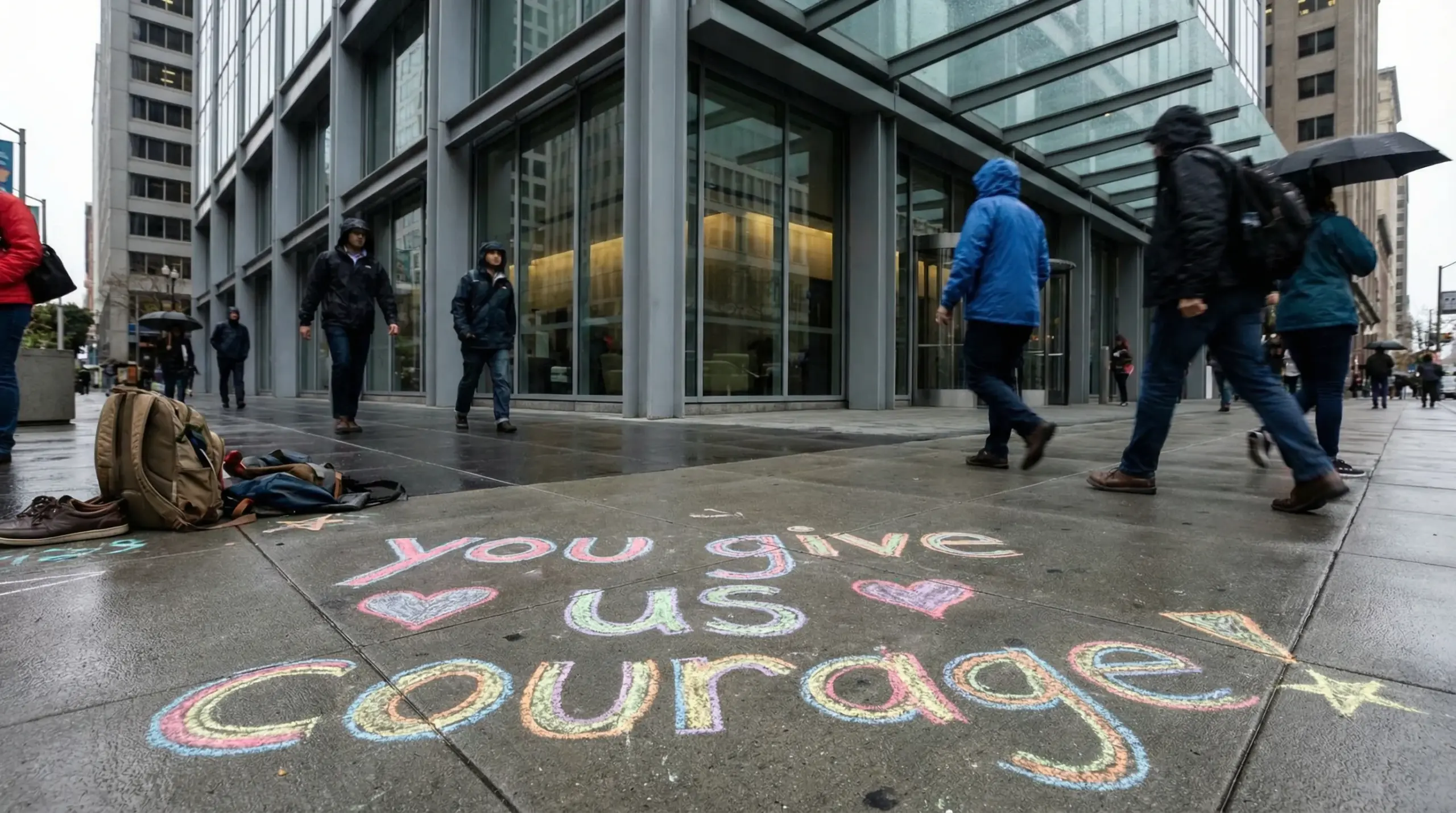
The #QuitGPT movement emerged organically and grew fast. Reddit threads calling for users to cancel their ChatGPT subscriptions accumulated tens of thousands of upvotes. A chalk drawing appeared on the pavement outside Anthropic’s San Francisco headquarters: “you give us courage.”
Katy Perry posted to her social media that she was switching to Claude.
Tools emerged to help people migrate. Memory Forge, built by Phoenix Grove Systems, converted ChatGPT conversation exports into portable markdown files compatible with any AI platform. It processed everything locally in the user’s browser, no data sent to external servers, a deliberate feature for a user base that had just left a company over surveillance concerns.
Anthropic built its own import feature. Claude.com/import-memory let users transfer saved preferences from ChatGPT with a simple copy and paste.
The infrastructure could not keep pace. On Monday, March 2, Claude experienced a major worldwide outage beginning at 11:49 UTC. The company confirmed the cause: unprecedented demand. The outage affected consumer-facing services far more than the enterprise API. Hundreds of thousands of people trying to access the product they’d just signed up for found themselves unable to.
The outage was, in a strange way, proof of the week’s scale. Anthropic’s systems had been built for a company growing fast. They had not been built for a company that became a symbol overnight.
OpenAI Takes the Deal, Then Rewrites It
Late Saturday evening, February 28, OpenAI announced a deal with the Pentagon.
Sam Altman posted that OpenAI had secured an agreement allowing its models to be deployed in classified military systems, and that the agreement included prohibitions on mass domestic surveillance, human responsibility for use of force, and restrictions on autonomous weapons. He framed it as de-escalation: OpenAI was stepping in to prevent the standoff from escalating into forced nationalization or systematic coercion across the industry.
The timing made the comparison unavoidable. In an Ask Me Anything session on X that night, Altman acknowledged that the deal was “definitely rushed” and that “the optics don’t look good.”
They got worse before they got better.
Within days, details emerged that OpenAI’s original contract used the “all lawful purposes” language the Pentagon demanded, with existing US laws and Department of War policies cited as guardrails rather than explicit contractual prohibitions. The difference matters: legal interpretations shift. Policy changes. A contractual prohibition is harder to move than either.
On Monday evening, March 2, Altman posted an internal memo to X acknowledging the inadequacy of the initial language and announcing that OpenAI was amending its contract with the Pentagon. The amended language would specify: “Consistent with applicable laws, including the Fourth Amendment to the United States Constitution, National Security Act of 1947, FISA Act of 1978, the AI system shall not be intentionally used for domestic surveillance of US persons and nationals.” Altman also confirmed that “the Department affirmed that our services will not be used by Department of War intelligence agencies (for example, the NSA).”
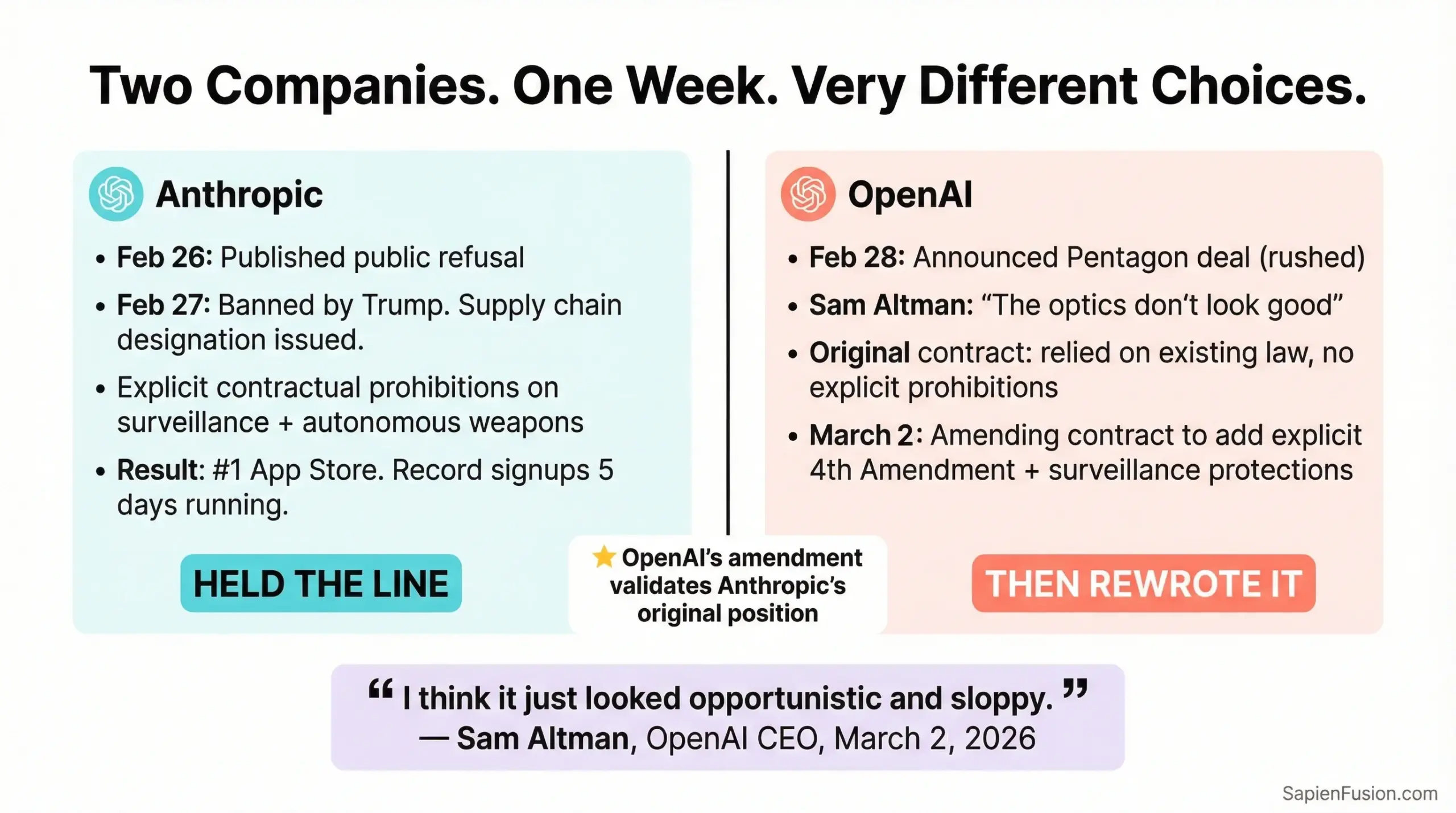
OpenAI, the company that announced a Pentagon deal the night Anthropic was banned, is now amending that deal to include the exact same protections Anthropic had been demanding. The company that capitulated validated the position of the company that didn’t.
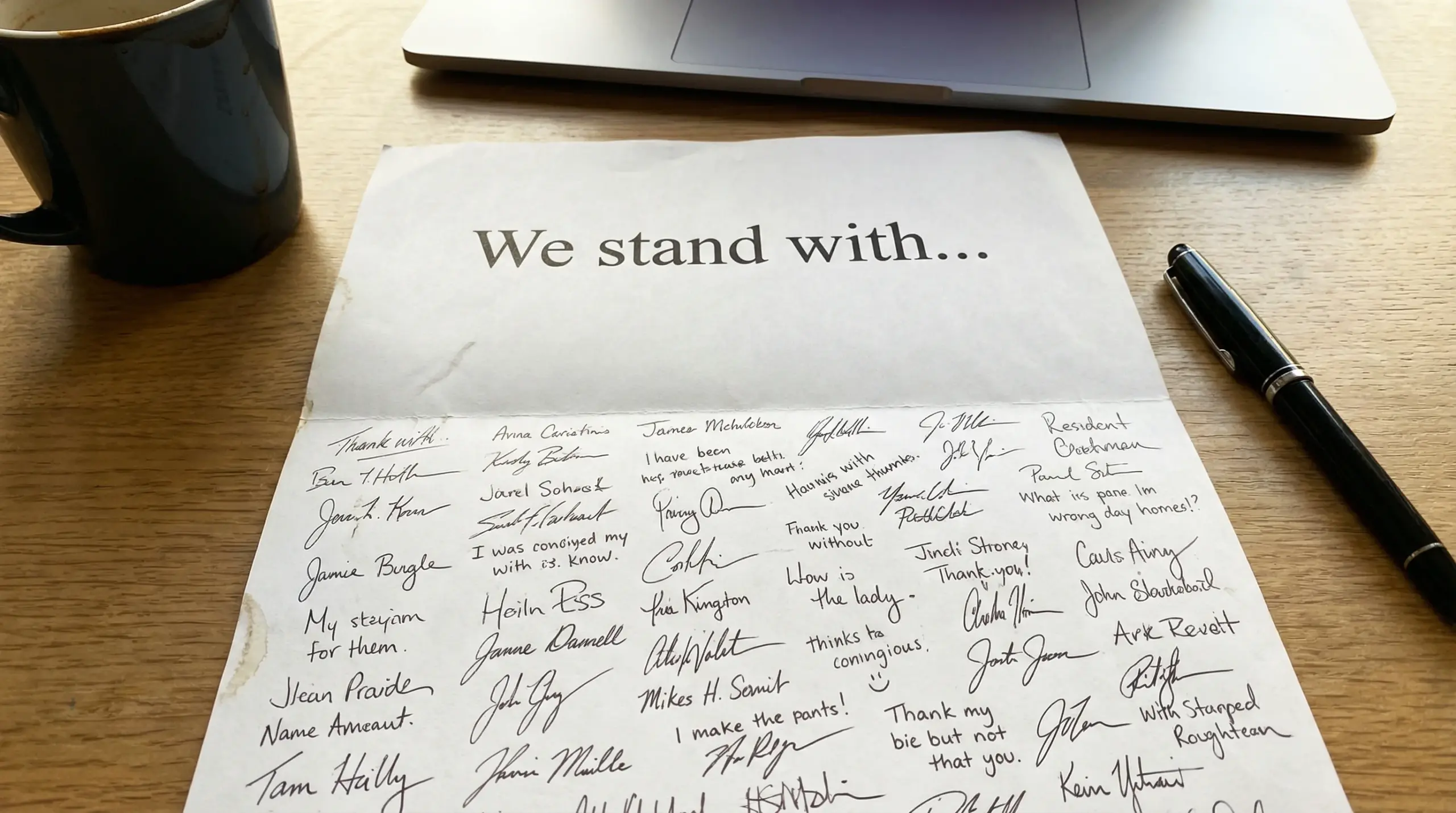
Leo Gao, an OpenAI alignment researcher, had publicly called his own employer’s original deal “windowdressing” in a post on X. More than sixty OpenAI employees signed an open letter supporting Anthropic’s position. Over three hundred Google employees signed the same letter.
 The letter’s most resonant line, reported by TechCrunch: “They’re trying to divide each company with fear that the other will give in. That strategy only works if none of us know where the others stand.”
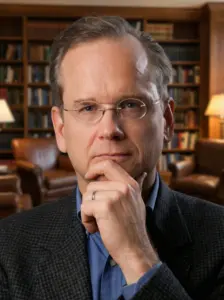
Harvard Law Professor Lawrence Lessig, writing in his Substack newsletter, called the Pentagon’s use of the supply chain designation “extortion” and argued it bore “no relationship between Anthropic’s behavior and any national security risk.”
OpenAI also introduced a meaningful architectural constraint: its models would be deployed via cloud only, not on edge devices like aircraft or autonomous weapons platforms. A fully autonomous weapons system in the field cannot rely on a cloud connection with operational latency requirements. But it is a constraint that OpenAI controls and could, theoretically, change.
The Hidden Contradiction
There is a complication to the story of Anthropic-as-principled-hero that deserves direct and careful examination, not merely acknowledgment.
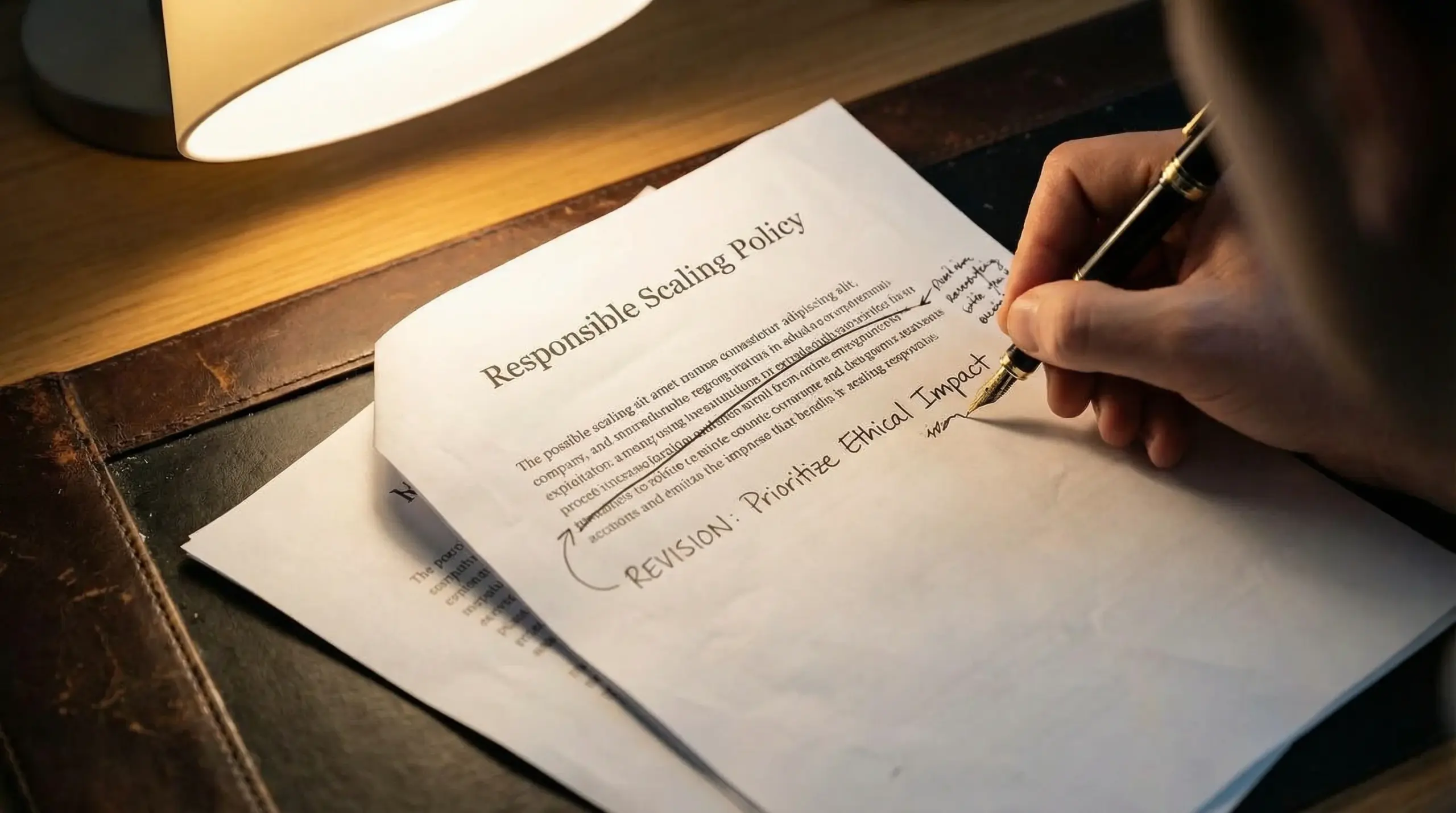
On February 24, the same day Hegseth issued his ultimatum, Anthropic quietly released Version 3.0 of its Responsible Scaling Policy, the RSP that had been the company’s flagship safety commitment since 2023. The timing drew immediate scrutiny. The company holding the line on two military restrictions had, on the same day, loosened the broader safety framework that most defined it.
The question is whether that loosening was principled, cynical, or somewhere in between. The answer, examined honestly, is more complicated than either Anthropic’s defenders or critics have admitted.
What the original RSP actually promised
The 2023 RSP was built on a conceptually elegant if-then structure: if a model crossed certain capability thresholds, particularly the ability to substantially assist in the creation of weapons of mass destruction, then correspondingly stricter “AI Safety Level” protections would be required. And crucially: if safety research fell behind capability development, Anthropic would “temporarily pause training of more powerful models.” The commitment was categorical. Not delayed. Not conditional on what competitors were doing. Paused.
This was the commitment that made Anthropic distinctive. Not just from OpenAI and Google, but from any major AI developer. The company was explicitly saying: there is a line at which we stop, regardless of competitive pressure.
Version 3.0 no longer says that. The new policy commits to “delaying” development only if Anthropic’s leadership judges that the company is leading the capability race and that catastrophic risks are significant. The pause is now conditional and discretionary. The CEO and board decide when the bar has been met. That is a fundamentally different kind of commitment.
Anthropic’s justification, and why it has real merit
 Anthropic’s reasoning, laid out in the revised policy and elaborated by chief science officer Jared Kaplan to TIME Magazine, rests on a serious argument that deserves to be taken seriously rather than dismissed.
The core claim is a prisoner’s dilemma problem. If Anthropic unilaterally pauses while OpenAI, Google, xAI, and China’s leading labs continue scaling, the pause achieves nothing except transferring frontier AI development to less safety-conscious actors. The world does not get safer. Anthropic loses market share, loses its ability to conduct safety research at the frontier, and loses the government relationships that give it influence over how AI is deployed. The developers with the weakest protections end up setting the industry pace. As the new RSP states directly: “If one AI developer paused development to implement safety measures while others moved forward training and deploying AI systems without strong mitigations, that could result in a world that is less safe.”
This argument is not an excuse invented for the occasion. It reflects a genuine tension that serious AI safety researchers have been grappling with for years. Paul Christiano, one of the leading alignment researchers in the field and an architect of several safety frameworks, has acknowledged the coordination problem as genuinely difficult, one that voluntary corporate commitments cannot fully resolve. The prisoner’s dilemma in AI development is real.
Anthropic also identified a concrete perverse incentive embedded in the original RSP that has received insufficient attention. Crossing a capability threshold under the old policy would trigger requirements that could be severely damaging to the company. That created organizational pressure, documented and acknowledged by Anthropic’s own advisors, to minimize risk assessments rather than honestly characterize them. In other words, the original framework was generating internal incentives to downplay exactly the risks it was designed to flag. The revised policy, Anthropic argues, removes that distorted incentive by separating what the company will commit to unilaterally from what would require industry-wide coordination.
There is also a legitimate technical argument about achievability. Anthropic cited a RAND Corporation analysis finding that the security standards required for the highest AI Safety Levels, specifically defending model weights against nation-state cyber attacks, are “currently not possible” without government assistance. Promising to achieve something technically impossible does not make the world safer; it just creates a commitment that will eventually be broken or quietly revised.
Why the justification is incomplete
The argument holds water in places. But it has gaps that Anthropic has not fully addressed.
The most pointed critique, articulated by researchers on LessWrong and the Alignment Forum, is that Anthropic’s response to the coordination problem was to eliminate its own commitments rather than to advocate loudly for the binding regulation that would actually solve the problem. If the prisoner’s dilemma means voluntary corporate safety pledges cannot work, the principled response is to say so clearly and publicly, to be, as one researcher put it, “screaming from the rooftops: incentives are forcing us to abandon things that are good for human survival.” What Anthropic did instead was revise its policy downward and frame the revision as a pragmatic improvement. That is a very different posture.
The competitive dynamics argument also proves too much. If a company should never meaningfully restrict its own development because doing so reduces market share and therefore influence, then no voluntary safety commitment is ever binding in the ways that matter. The logic of “we must keep scaling to remain relevant to safety” can justify almost any decision. Anthropic has not adequately explained where that logic ends.
Critics also identified a self-fulfilling dimension to the “unachievability” argument. If developing the security required for higher AI Safety Levels is currently impossible, removing the requirement to achieve it guarantees it will remain impossible, because the commitment was precisely what would have driven the investment and organizational focus needed to solve it. The impossibility becomes permanent once you stop treating it as a problem to be solved.
The question of whether the RSP change was influenced by Pentagon pressure is unresolvable from the outside. Anthropic says the revision had been in preparation for months and was not connected to the ultimatum. That is plausible. It is also true that removing an explicit pause commitment makes Anthropic more commercially and politically flexible at exactly the moment government pressure was being applied. Both things can be simultaneously true.
What the new policy actually does
The revised RSP replaces binding thresholds with three mechanisms: public “Frontier Safety Roadmaps” describing concrete plans across security, alignment, and safeguards; quarterly “Risk Reports” subjected to external expert review; and a separation between what Anthropic commits to unilaterally and what it believes the industry needs to do collectively.
These are not nothing. Transparent public commitments, externally reviewed risk reports, and honest acknowledgment of what requires coordination rather than unilateral action represent real improvements in some ways. One Anthropic advisor who worked directly on RSP implementation argued that the new approach actually creates more specific and more achievable forcing functions than the original; public grading of concrete goals rather than the threat of a pause that generated perverse incentives to mischaracterize evidence.
But these mechanisms are weaker in the dimension that matters most: they impose no concrete consequences if goals are missed. A company that fails its public roadmap faces reputational damage. A company that was required to pause development and didn’t would face a genuine organizational crisis. Reputation is not a substitute for constraint.
The honest verdict
Anthropic’s reasoning holds water as a description of a genuine dilemma. It does not hold water as a complete justification for the specific response chosen.
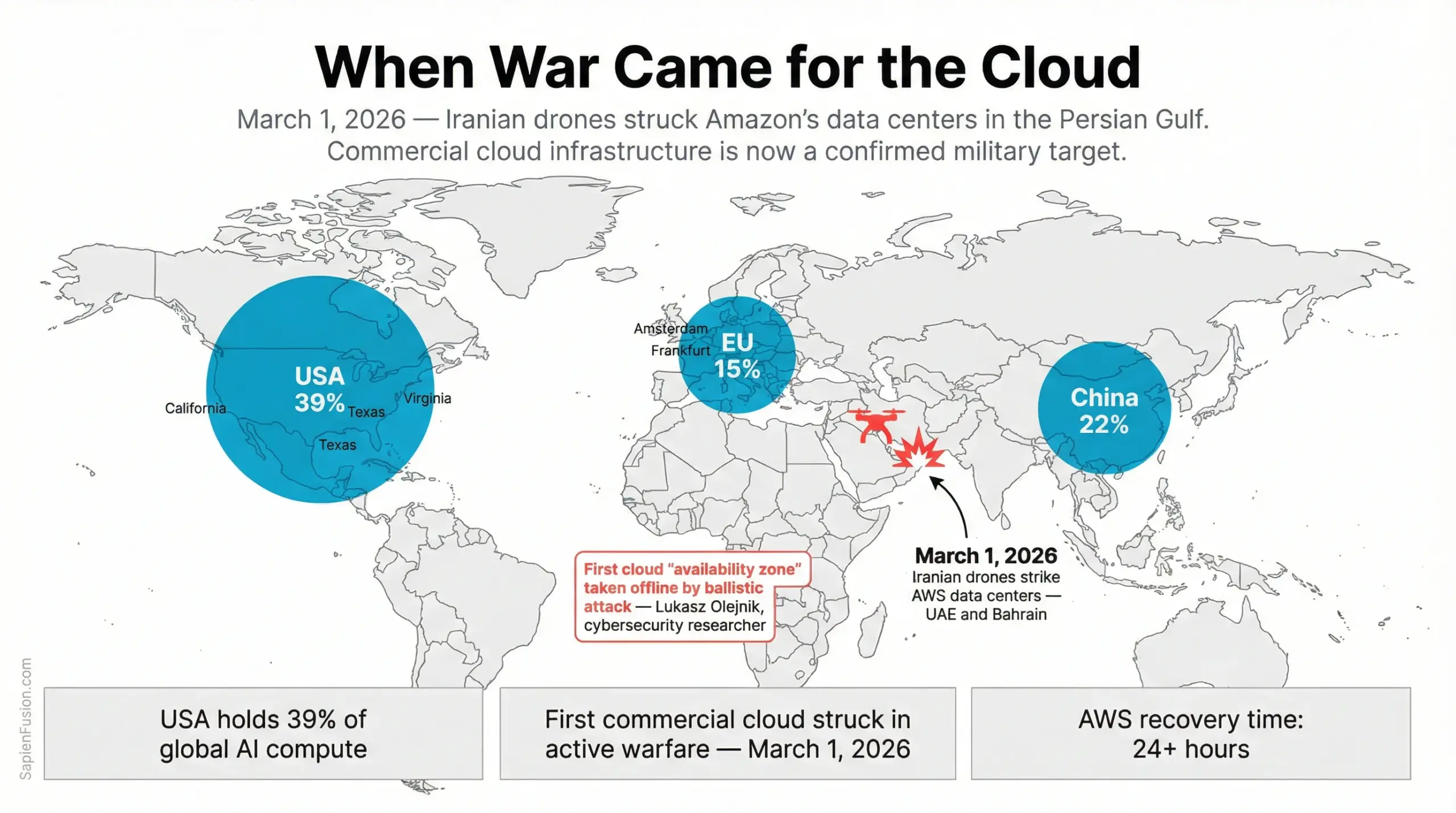
Amazon confirmed the cause with characteristic understatement, describing the cause as “objects” that struck the facilities. An internal Amazon document reviewed by Business Insider provided granular detail: at one Dubai facility, structural damage was classified as “major,” water levels initially reached over an inch before receding, and fourteen EC2 server racks were knocked offline. Cooling systems failed. A second facility shut down after “indirect impact” and a small fire. No entry was permitted without government approval.
“The first time in history an ‘availability zone’ became unavailable for ballistic reasons.” – Lukasz Olejnik, cybersecurity researcher
This was not a cyberattack. Not a software vulnerability. Not a distributed denial of service. Drones. Physical kinetic strikes against commercial cloud infrastructure. Infrastructure that serves enterprises, governments, intelligence agencies, and, through Palantir and similar intermediaries, the United States military itself.
And here is where the circularity becomes dizzying: the Wall Street Journal reported that the US military had used Claude during operations in Iran, operations that contributed to the events that triggered the drone strikes on the infrastructure that runs the tools the US military depends on. On the same day the government banned the AI company for being a security risk, it was using that company’s technology in active combat operations. And on the same day, that combat produced retaliation against the cloud infrastructure underneath it all.
That sentence, from Amazon’s own status page, represents a rupture. Disaster recovery planning has historically assumed natural disasters, power failures, and cyberattacks. Amazon is now officially advising customers to treat its own Middle East infrastructure as unreliable due to active military conflict.
The United States holds approximately 39 percent of global data center power capacity. The concentration in Northern Virginia alone makes it the world’s single largest data center cluster. That concentration was built as an efficiency. It is also a vulnerability.
The Army has already begun soliciting proposals to lease land on military bases for private data center development. The logic is sound: military bases are harder to target, better defended, and already have security infrastructure. The irony is also legible: making data centers more secure means making them more military, which makes them more legitimate targets.
What Happens Next
As of this morning, the situation remains unresolved on every front.
The legal challenge
Anthropic has committed to challenging the supply chain risk designation in federal court, and legal scholars have identified multiple independent grounds on which the challenge could succeed. The statute authorizing such designations (10 U.S.C. § 3252) was designed for foreign adversaries infiltrating American defense infrastructure. Its language requires findings that an “adversary” may “sabotage, maliciously introduce unwanted function, or otherwise subvert” a covered system. Anthropic is not a foreign adversary. It has not sabotaged anything.

The government also faces the problem of its own rhetoric. Trump’s “Leftwing nut jobs” and Michael’s “God-complex” accusations establish a record of political motivation that courts regard skeptically when reviewing agency actions. Former Trump administration AI advisor Dean Ball, who helped draft the administration’s AI Action Plan, posted on X that the designation amounted to “corporate murder” and warned that the precedent made it impossible to recommend investing in or starting an American AI company.
The government also faces its own contradiction on urgency. If Anthropic is an acute national security threat, why did the supply chain designation include a six-month transition period? And why, as the WSJ reported, was Claude being used in active Iran operations on the same day it was banned? Acute threats are not managed with six-month phase-outs while simultaneously deployed in combat.
Congressional action
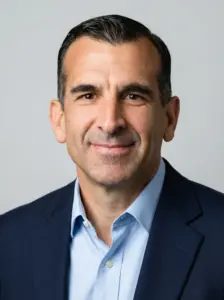
Representative Sam Liccardo of California announced this week he would introduce an amendment to the Defense Production Act prohibiting federal agencies from retaliating against vendors who seek to impose reasonable limitations on how their technology is deployed. His statement: “When two parties cannot agree on terms, the normal course is to part ways and work with a competitor. Punishing an American company for declining to accept changes to a contract sends a clear message to every technology company in America: accept whatever terms the government demands, or face retaliation.”
Senators Elizabeth Warren and Andy Kim argued that invoking the Defense Production Act against a domestic contractor in a contract dispute would “shatter the bipartisan consensus” behind the statute. Senate Intelligence Committee Vice Chair Mark Warner questioned whether national security decisions were being driven by careful analysis or political considerations. The response has been notably bipartisan, and Neil Chilson of the Koch-affiliated Abundance Institute, hardly a progressive organization, also warned against using the DPA to expand executive power unilaterally.
A coalition of technology professionals, civil society organizations including Protect Democracy and Common Cause, and hundreds of tech workers from OpenAI, Google, Slack, IBM, Salesforce, and others have submitted letters to Congress calling for oversight hearings.
The competitive landscape
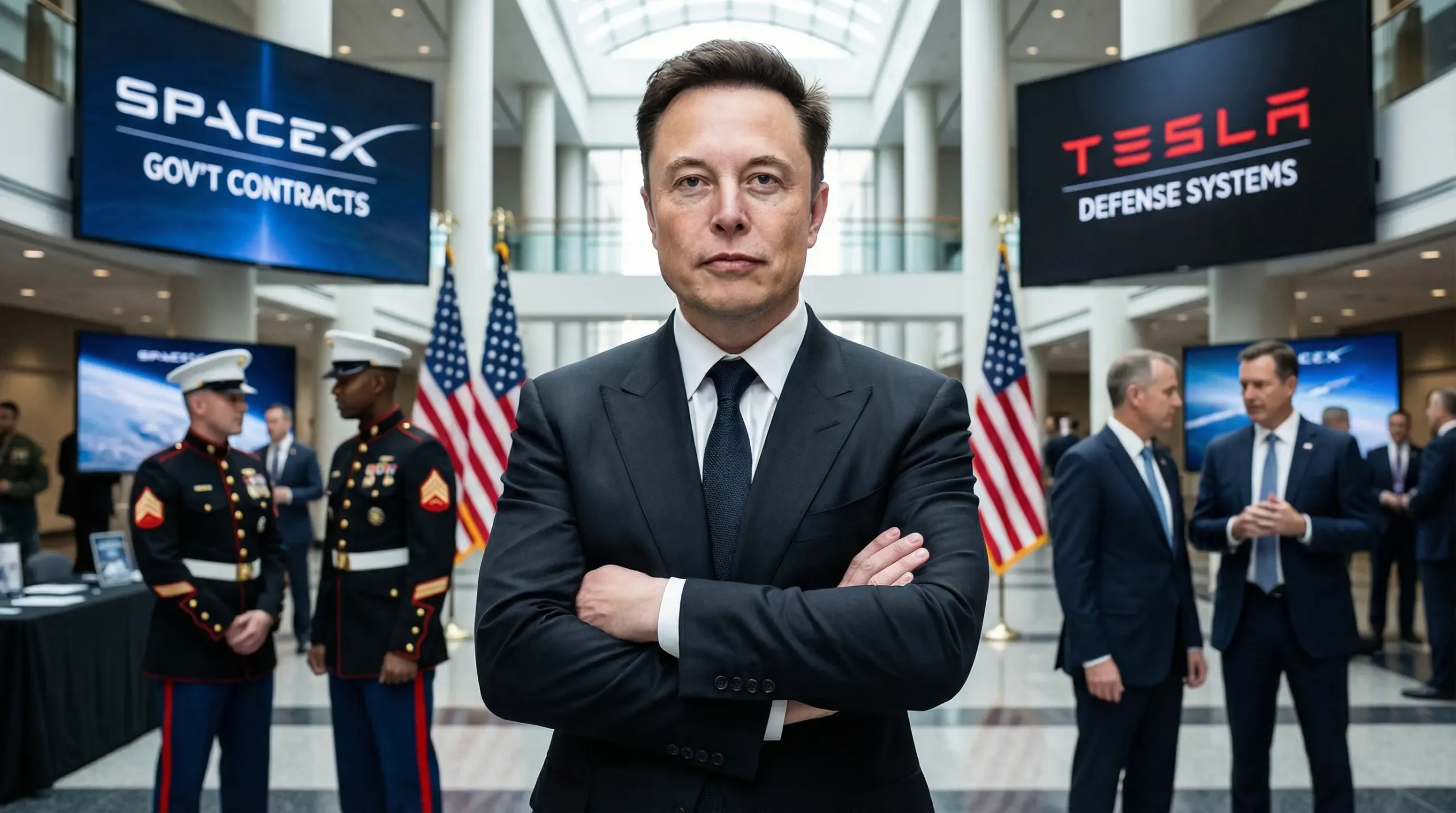
Elon Musk’s xAI has deployed its Grok model in classified military networks, a development that raises significant conflict-of-interest questions given Musk’s simultaneous role in the Trump administration. OpenAI is now embedded in classified environments with a contract that, as of this morning, is being amended to include the very protections Anthropic demanded. Google is in negotiations. The frontier AI industry has been formally integrated into the defense industrial base in the space of one week.
The IPO
Anthropic had been preparing for a potential public offering. A supply chain designation creates real uncertainty for large enterprise customers with any defense exposure; general counsels at Fortune 500 companies must now assess whether using Claude creates contractual risk. That uncertainty complicates the process. It does not necessarily prevent it, particularly if the legal challenge proceeds well and if, as many legal experts expect, the designation does not survive judicial review.
The Bigger Picture
This week was not, at its core, about one company and one government.
It was about the question that will define the next decade of technology governance: who controls the machines that control the weapons?
The Pentagon’s position, that private companies cannot be permitted to impose safety restrictions on technology the military purchases, is, in the abstract, coherent. Democratic accountability requires that military decisions be made by accountable military and civilian leadership, not by the values of whichever AI company happens to be under contract. The concern about corporate veto power over operational decisions is not absurd.
Anthropic’s position is equally coherent. The restrictions it maintained were narrow, specific, and targeted at two applications, mass surveillance and autonomous killing, where the stakes of getting it wrong are permanent and irreversible. The legal frameworks designed to prevent those applications have not kept pace with what AI now makes technically possible. In the absence of adequate law, contractual restrictions were the last available safeguard.
What is not coherent is the idea that forcing one company to remove those restrictions solves anything. If Anthropic’s guardrails were wrong, the answer was legislation clarifying the law. If they were right, the answer was legislation enshrining them. What happened instead was an attempt to coerce a private company into removing protections through threats of economic destruction, threats that legal experts across the political spectrum say likely exceed the government’s legal authority.
The OpenAI amendment crystallizes this perfectly. Within days of accepting the Pentagon’s terms, OpenAI amended its contract to include explicit Fourth Amendment protections, the very language Anthropic had been demanding. The government that insisted those protections were unnecessary and redundant accepted them from OpenAI without apparent objection. Which raises an obvious question: why was Anthropic banned for insisting on language the Pentagon was willing to accept from OpenAI?
If companies that maintain safety principles lose government contracts to competitors willing to remove them, the incentive structure across the entire industry tilts toward less safety, not more. The least constrained players get the most access. The most responsible get punished.
That dynamic, if allowed to settle, does not produce a safe AI-enabled military. It produces an unsafe one, built by whoever was most willing to say yes.
Dario Amodei is right that disagreeing with the government is the most American thing in the world. He is also right that the dispute points toward a regulatory vacuum that only Congress can fill.
What It Means for You
If you are a business leader: your cloud infrastructure is now a potential military target. The AWS incident was not a hypothetical. It happened, on March 1, in real time, affecting real systems, in a region where the US military was conducting offensive operations the same week. Geographic diversity in your cloud strategy is no longer a performance optimization; it is risk management for a world in which commercial infrastructure and military conflict have formally intersected.

If you are a technology professional: the open letters signed this week by employees of OpenAI, Google, and others represent the emergence of an organized cross-company position on military AI ethics. That position is now public. Ilya Sutskever, OpenAI’s own co-founder, posted that it is “extremely good that Anthropic has not backed down.” The industry has a view. The question is whether it has leverage.
If you are a policy maker: the regulatory vacuum Amodei identified is real and urgent. The Fourth Amendment was written before facial recognition. It was written before predictive policing. It was certainly written before an AI system could assemble a comprehensive surveillance dossier on any American in seconds from legally purchased commercial data. Cornell Law Professor Michael C. Dorf has noted that whether AI-assisted mass surveillance comports with the Fourth Amendment “remains entirely unaddressed by both Congress and the courts.” This week demonstrated what happens while it doesn’t.
If you are simply someone who uses AI: you voted with your feet this week. The choice of which AI assistant to use has never before tracked a company’s position on autonomous weapons policy. This week it did. That is new. What it means for how AI companies are held accountable, not just by regulators, but by users, is something the industry is still working out.
One More Thing
This story is not over.
Legal proceedings will take months. The OpenAI amendment’s implications will ripple across every pending AI defense contract. Congressional hearings will produce testimony. The AWS drone strikes will prompt infrastructure decisions that take years to implement. Anthropic’s weakened safety pledge will either prove to have been a pragmatic adjustment or a harbinger of something more consequential.
We will track all of it. Subscribe to SapienFusion to get updates as this story develops.
This article is the first chapter of what may become a book. The Survival Guide series, deeply researched, practical books for people navigating the AI-driven transformation of work and society, has its first two volumes in production now, with more to follow. Because technological change moves faster than most people’s ability to absorb it, and because the people who understand what is happening have an obligation to explain it clearly to those who need to navigate it.
The machines did not wait for the law. The law did not wait for the facts. The companies did not wait for consensus.
Nobody waited. That is the problem.
That is also the opening.
Research conducted March 3, 2026. Primary sources include Anthropic’s official statements, CBS News exclusive interview with Dario Amodei, Dario Amodei’s essay “The Adolescence of Technology,” OpenAI’s Pentagon agreement and subsequent amendment, Lawfare Media legal analysis, Business Insider, TechCrunch, Fortune, Politico, Axios, the Pentagon’s AI Acceleration Strategy, and the AWS Health Dashboard. All quoted material is drawn directly from primary sources or contemporaneous reporting.
This is an evolving story. Corrections and updates will be noted as they occur. Subscribe to SapienFusion to be notified when this article is updated.