

Why Women-Led Tech Companies Achieves More With Less
A 7-Part Series about Women Redefining Capital Efficiency in Frontier Technology
[🧠] Sapien Fusion Deep Dive Series | February 16, 2026
The Numbers Don’t Lie. The Money Does.
For every dollar of venture capital invested, women-led startups generated 78¢ in revenue. Male-led startups? Just 31¢.
That’s not a typo. Women founders create more than twice the value per dollar invested compared to their male counterparts, according to Boston Consulting Group’s analysis of 350 startups. Over ten years, First Round Capital found that companies with at least one female founder performed 63% better than all-male founding teams.
Despite generating superior returns, operating more capital-efficiently, and achieving comparable exit outcomes, women founders received just 2.3% of global venture capital in 2024, only slightly better than the 2.1% in 2023. All-female founding teams raised an average of $935,000 per startup. All-male teams? $2.1 million—more than twice as much.
The gender funding gap isn’t a diversity problem. It’s a $5 trillion market inefficiency.
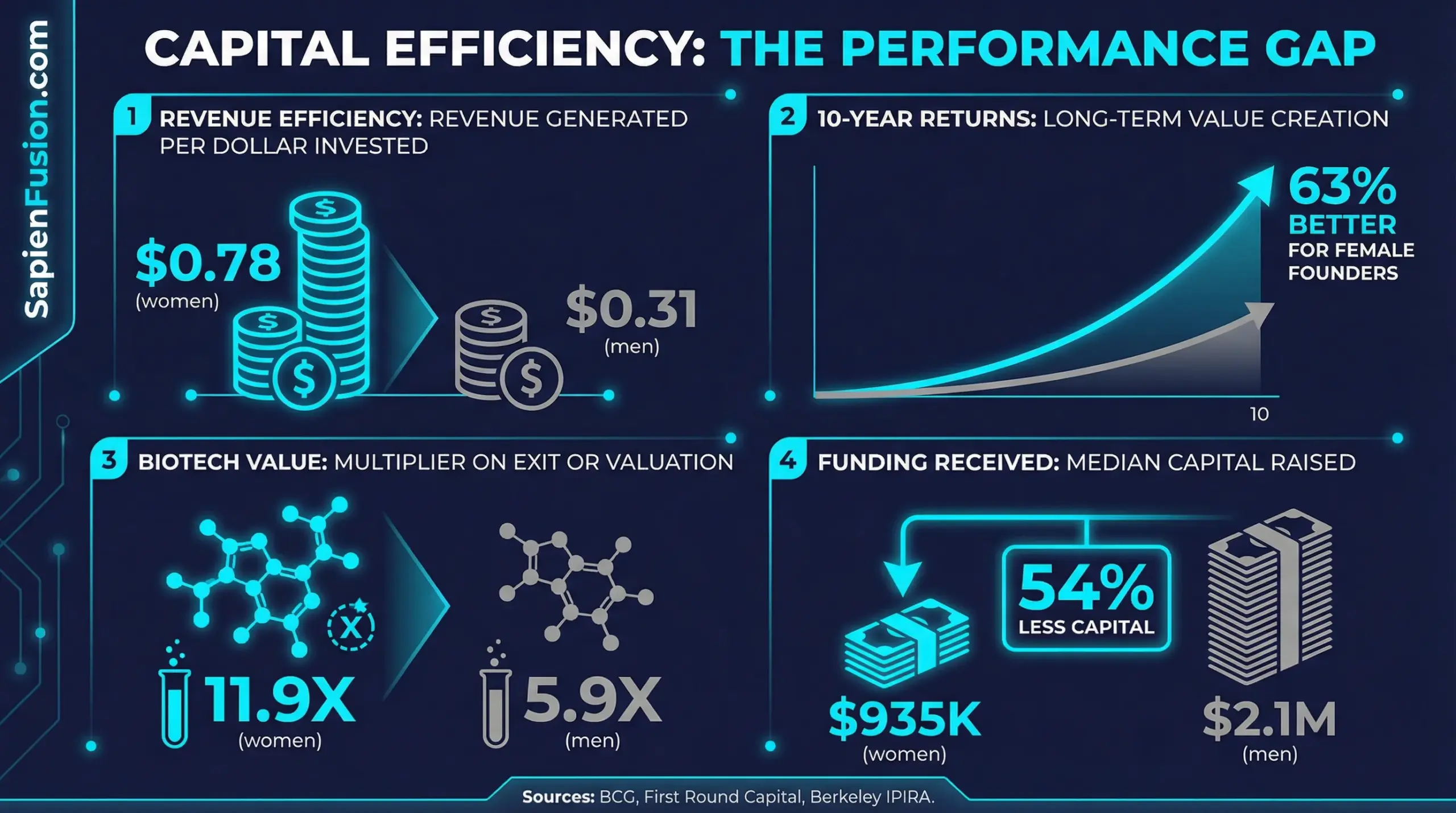
Female founders achieved 24.3% of all successful exits (acquisitions and IPOs—how investors make money) in 2024 despite receiving only 2.3% of VC funding. That’s 10X over performance per funding dollar. This isn’t about fairness. It’s about investors systematically ignoring their best-performing investments.
The Pattern in Practice
The data proves systematic underinvestment. The profiles show how it happens—and what women founders accomplish despite it.
Three founders. €720,000 in government grants. By March 2024, a humanoid robot lived in an 89-year-old woman’s home for three consecutive days—navigating narrow corridors, hanging laundry together, and doing it safely. Zero venture capital required.
Meanwhile, billion-dollar autonomous robotics companies remain “years away” from similar deployments.
One researcher. $725,000 in NSF grants. By March 2025, her hospital robots had completed one million deliveries across dozens of hospitals—nurses posing for selfies with the machines that freed them from supply runs. Total venture capital raised: ~$75 million over seven years.
Meanwhile, consumer robotics companies that raised $73 million shut down when customers found their $899 robots less useful than $99 smart speakers.
One medical student. Dismissed with “it’s just anxiety” despite chronic migraines so debilitating she could barely function. With $1.7 million in pre-seed funding, she built the first longitudinal women’s health AI dataset while generating revenue from day one—dual infrastructure that creates compounding strategic advantage.
Meanwhile, femtech companies burning through tens of millions struggle to prove clinical efficacy years after launch.
Fifty researchers. One of them designed the clinical trial architecture that allowed Moderna to manufacture COVID-19 vaccines within 48 hours of receiving the genetic sequence—faster than any vaccine in history. The trial framework she built enabled emergency authorization in 11 months versus the typical 10+ year timeline.
Twenty researchers. Under her leadership, they released over 1,000 research artifacts achieving 2.7 billion downloads globally—multiplying impact through open science rather than closed productization. That’s 135 million leveraged uses per researcher.
Meanwhile, well-funded AI labs keep research proprietary, limiting impact to internal use and whatever customers pay for API access.
The conventional narrative says frontier technology requires massive capital. These women are proving the opposite: capital efficiency isn’t about doing less with less—it’s about achieving breakthrough outcomes through architecture that compounds rather than burns resources.
The Capital Efficiency Paradox
When everyone has access to infinite capital, you compete on capital deployment speed. When capital is constrained, you compete on architecture—and better architecture often wins.
What This Series Reveals
These six profiles show a pattern:
Strategic positioning advantage through constraint. Not despite limited capital. Because of it.
This series documents how six women, Alona Kharchenko, Ariella Heffernan-Marks, Daphne Koller, Fei-Fei Li, Joelle Pineau, and Andrea Thomaz, have built capital-efficient architectures in domains where competitors are burning hundreds of millions.
The Capital Efficiency Mechanisms
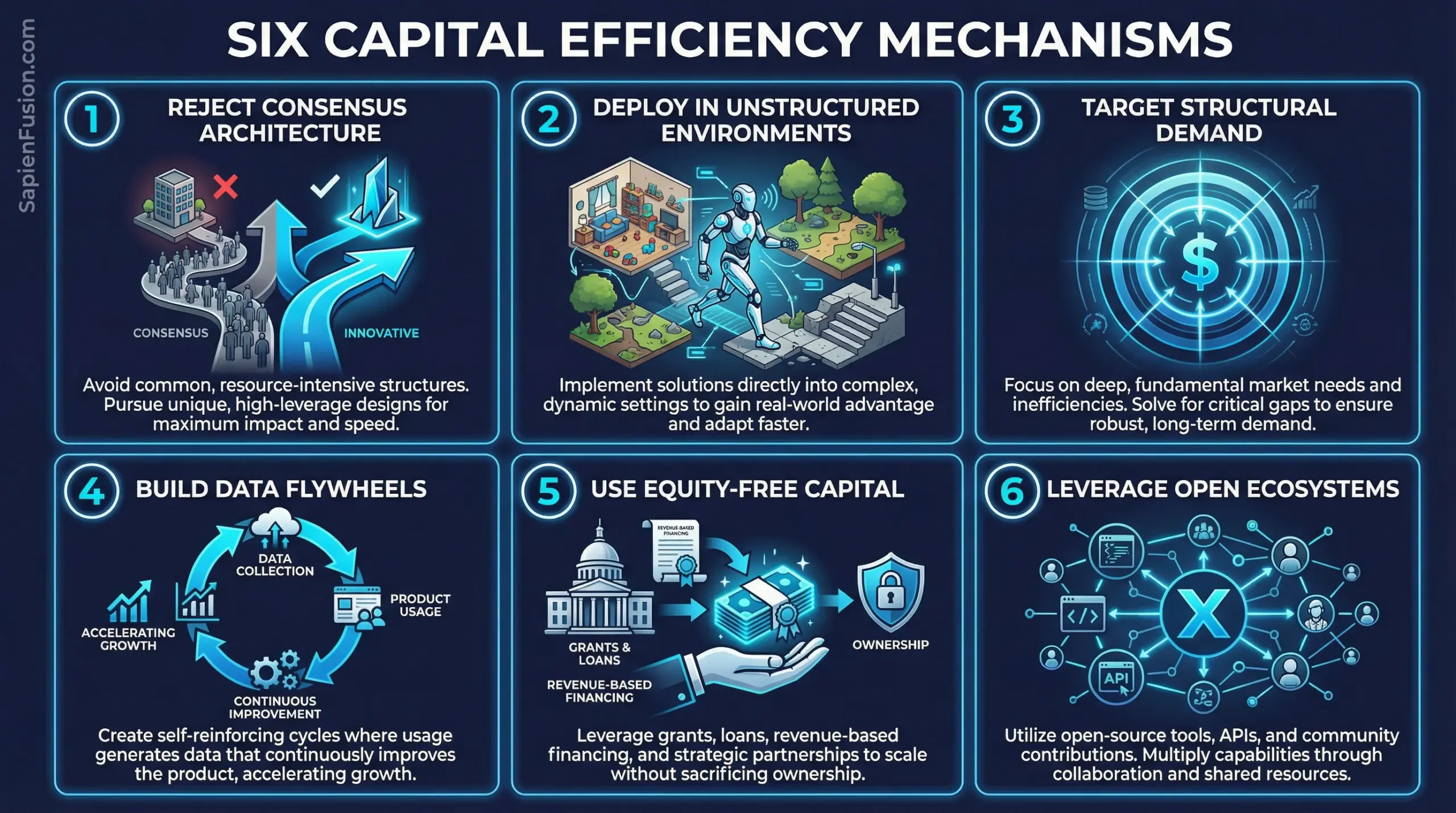
The profiles reveal six recurring mechanisms these founders and executives use to achieve outsized outcomes:
- Reject consensus technology architecture when constraints favor different approaches
- Deploy in unstructured environments early
- Target structural demand where customers pay today
- Build data flywheels that improve with use
- Use equity-free or strategic capital when possible
- Leverage open ecosystems to multiply impact
Why This Matters Now
We’re entering an era where Physical AI, robotics, biotech, and materials science requires bridging digital intelligence with physical-world complexity. The capital requirements appear enormous. The technical challenges seem intractable.
Yet these profiles demonstrate that capital efficiency in frontier technology isn’t about incremental improvement or cautious iteration. It’s about fundamentally different architecture decisions enabled by—not despite—resource constraints.
The strategic advantage isn’t just financial.
When Alona Kharchenko was simultaneously planning her sister’s escape from Ukraine while finishing a robot sold to Oxford University, she couldn’t afford to waste time on approaches that wouldn’t work. Constraint forced clarity.
When Ariella Heffernan-Marks designed dual-infrastructure clinical trials (traditional + decentralized) for pandemic response, she couldn’t assume which infrastructure would be available. Uncertainty forced redundancy that became strategic advantage.
When Daphne Koller built machine learning models to replace 80% of wet lab experiments, she was addressing the reality that traditional drug discovery burns billions testing hypotheses that fail. Failure rates forced different architecture.
What You’ll Learn
This isn’t a fluffy celebration of women in tech or a DEI narrative. It’s a forensic examination of capital efficiency mechanisms in frontier technology domains.
You’ll learn:
- How to recognize when consensus architecture is wrong for your constraints (Devanthro’s hybrid intelligence vs. full autonomy)
- How to build data flywheels that compound rather than burn (insitro’s ML-driven drug discovery)
- How to deploy imperfect systems in unstructured environments profitably (Robody in real homes)
- How to use strategic/equity-free capital to maintain optionality (Government grants, corporate ventures)
- How to target structural demand that pays today while building for tomorrow (Elderly care crisis, pandemic response)
Each profile includes:
- Bleeding edge decision analysis: The specific moment where the founder chose a different path
- Capital efficiency mechanics: Quantified comparison to well-funded competitors
- Strategic positioning: How they turned constraints into advantages
- Recognition patterns: What validation signals indicate genuine innovation vs. incrementalism
- Actionable implications: What operators in other domains can apply
The Broader Context
Frontier technology is experiencing a capital availability paradox. Venture funding for frontier tech reached record levels in 2021-2022, then contracted sharply. Yet the technical challenges remain as difficult as ever.
This creates an asymmetric opportunity for founders who can achieve breakthrough outcomes without proportional capital increases.
These women are succeeding despite being women in a male-dominated field. They’re doing it because the specific architecture decisions they made, often informed by different risk calculus, different network access, and different constraint awareness, were correct for the current technology maturity and market conditions.
Read the Series
Part 1 – Capital Efficiency Through Humanoid Telepresence

Alona Kharchenko achieved real-world humanoid robot deployment with €720K in grants while billion-dollar competitors remain years away—through hybrid intelligence architecture and strategic positioning in Germany’s care crisis.
Part 2- Building the First Longitudinal Women’s Health Dataset

Dr. Ariella Heffernan-Marks built dual infrastructure enabling 48-hour vaccine manufacturing—how Ovum’s consumer product and research platform create bidirectional value addressing the $1 trillion gender health gap.
Part 3 – $800M to Rebuild Drug Discovery

Daphne Koller’s insitro reduces drug development from 10-15 years to 3-6 years through ML-first architecture—computational prediction replacing 80% of wet lab experiments, achieving 80-90% Phase I success rates.
Part 4 – $230M to $1B in Four Months

Most AI labs pursued incremental improvements on text and 2D image generation. Fei-Fei Li recognized something different during her 2017-2018 tenure as VP and Chief Scientist of AI/ML at Google Cloud: AI systems operated in a fundamentally two-dimensional paradigm, processing text tokens and image pixels without genuine spatial understanding.
Part 5 – From 20 Researchers to 2.7 Billion Downloads

In 2017, Joelle Pineau joined Meta to establish FAIR’s Montreal laboratory with 20-30 researchers. By 2025, when she left to become Chief AI Officer at Cohere, that research organization had released over 1,000 research artifacts—code, models, datasets—downloaded 2.7 billion times globally.
Part 6 – Capital Efficiency Through Government-to-Commercial Path
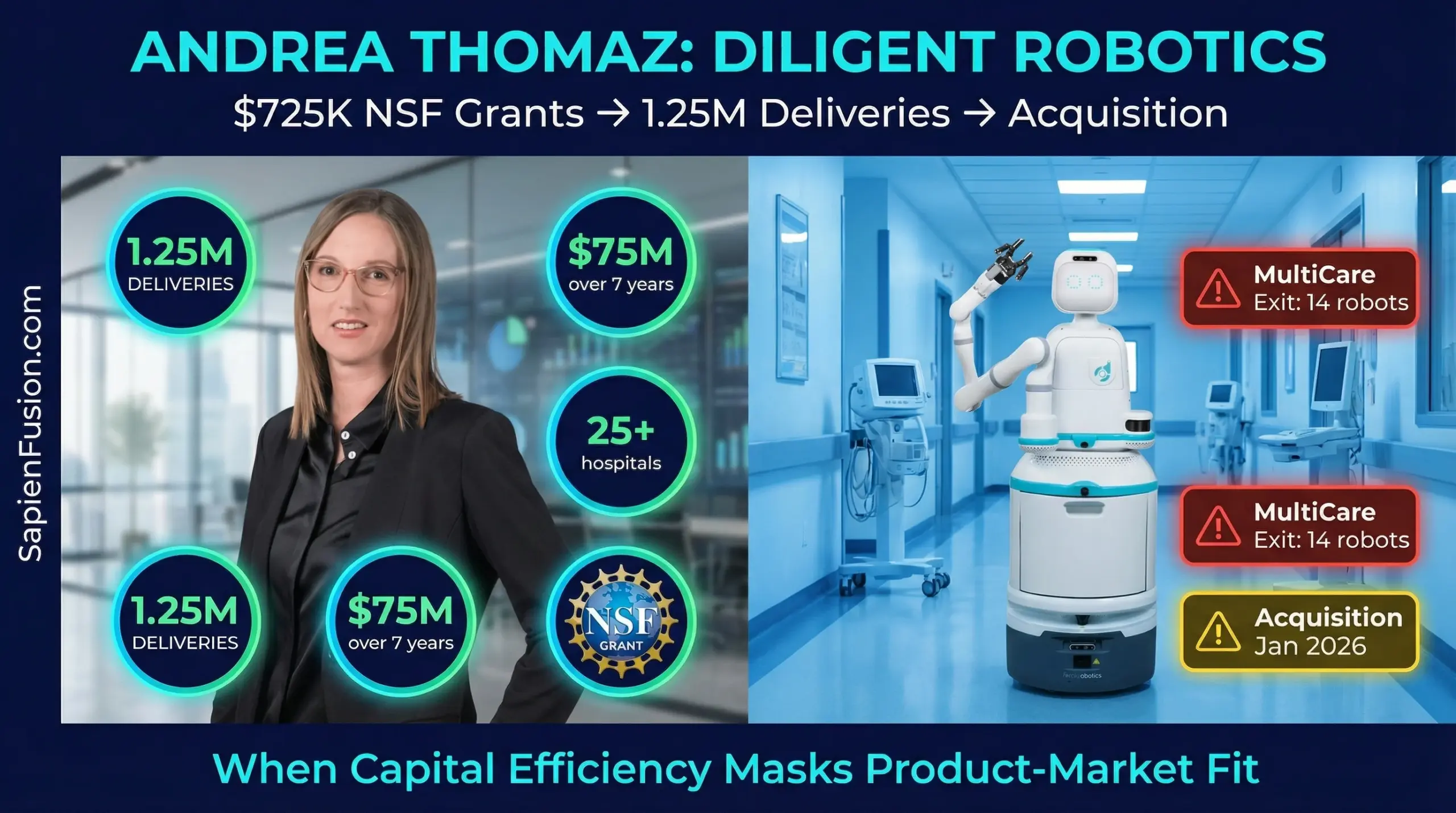
Twenty years. One technical obsession. $725,000 in NSF grants before venture capital. By February 2025, Andrea Thomaz’s Diligent Robotics had deployed robots that completed 1.25 million deliveries across 25+ hospitals—navigating elevator crowds, dodging stretchers in narrow corridors, and generating terabytes of training data weekly.
But capital efficiency can obscure what deployment metrics don’t reveal: actual customer value.
Part 7 – The Capital Efficiency Playbook

This final installment synthesizes actionable frameworks, decision points, and strategic implications for operators, investors, and policymakers working in capital-intensive frontier technology domains.
Research Methodology and Source Verification for the Capital Efficiency Paradox Series
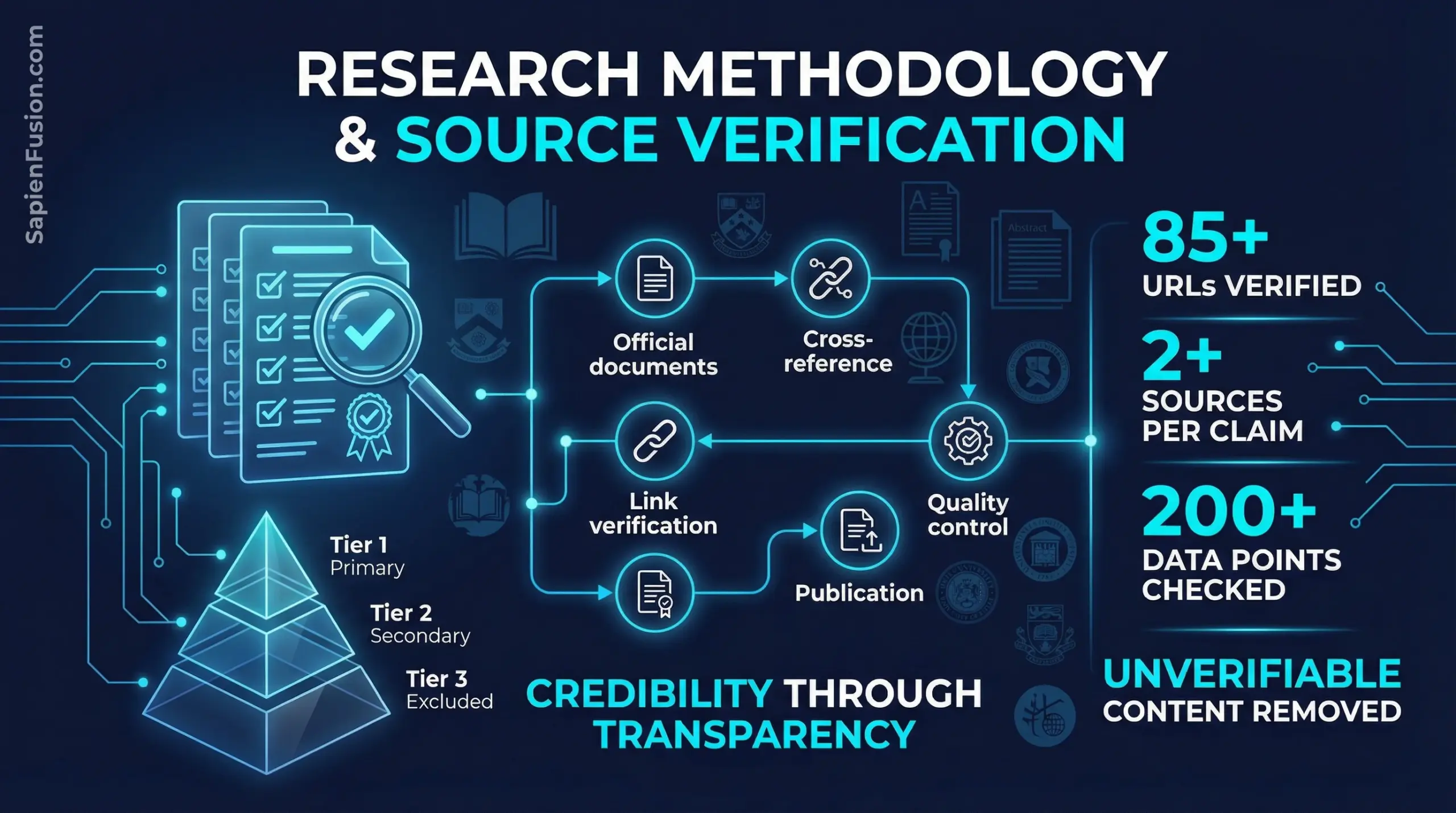
At Sapien Fusion, credibility isn’t negotiable. Every claim in the Capital Efficiency Paradox series underwent systematic verification before publication. This document provides full transparency into our research methodology, source hierarchy, and verification protocols.
The Numbers Don’t Lie. The Money Does.
For every dollar of venture capital invested, women-led startups generated 78¢ in revenue. Male-led startups? Just 31¢.
That’s not a typo. Women founders create more than twice the value per dollar invested compared to their male counterparts, according to Boston Consulting Group’s analysis of 350 startups. Over ten years, First Round Capital found that companies with at least one female founder performed 63% better than all-male founding teams.
Despite generating superior returns, operating more capital-efficiently, and achieving comparable exit outcomes, women founders received just 2.3% of global venture capital in 2024, only slightly better than the 2.1% in 2023. All-female founding teams raised an average of $935,000 per startup. All-male teams? $2.1 million—more than twice as much.
The gender funding gap isn’t a diversity problem. It’s a $5 trillion market inefficiency.
Female founders achieved 24.3% of all successful exits (acquisitions and IPOs—how investors make money) in 2024 despite receiving only 2.3% of VC funding. That’s 10X over performance per funding dollar. This isn’t about fairness. It’s about investors systematically ignoring their best-performing investments.
The Pattern in Practice
The data proves systematic underinvestment. The profiles show how it happens—and what women founders accomplish despite it.
Three founders. €720,000 in government grants. By March 2024, a humanoid robot lived in an 89-year-old woman’s home for three consecutive days—navigating narrow corridors, hanging laundry together, and doing it safely. Zero venture capital required.
Meanwhile, billion-dollar autonomous robotics companies remain “years away” from similar deployments.
One researcher. $725,000 in NSF grants. By March 2025, her hospital robots had completed one million deliveries across dozens of hospitals—nurses posing for selfies with the machines that freed them from supply runs. Total venture capital raised: ~$75 million over seven years.
Meanwhile, consumer robotics companies that raised $73 million shut down when customers found their $899 robots less useful than $99 smart speakers.
One medical student. Dismissed with “it’s just anxiety” despite chronic migraines so debilitating she could barely function. With $1.7 million in pre-seed funding, she built the first longitudinal women’s health AI dataset while generating revenue from day one—dual infrastructure that creates compounding strategic advantage.
Meanwhile, femtech companies burning through tens of millions struggle to prove clinical efficacy years after launch.
Fifty researchers. One of them designed the clinical trial architecture that allowed Moderna to manufacture COVID-19 vaccines within 48 hours of receiving the genetic sequence—faster than any vaccine in history. The trial framework she built enabled emergency authorization in 11 months versus the typical 10+ year timeline.
Twenty researchers. Under her leadership, they released over 1,000 research artifacts achieving 2.7 billion downloads globally—multiplying impact through open science rather than closed productization. That’s 135 million leveraged uses per researcher.
Meanwhile, well-funded AI labs keep research proprietary, limiting impact to internal use and whatever customers pay for API access.
The conventional narrative says frontier technology requires massive capital. These women are proving the opposite: capital efficiency isn’t about doing less with less—it’s about achieving breakthrough outcomes through architecture that compounds rather than burns resources.
The Capital Efficiency Paradox
When everyone has access to infinite capital, you compete on capital deployment speed. When capital is constrained, you compete on architecture—and better architecture often wins.
What This Series Reveals
These six profiles show a pattern:
Strategic positioning advantage through constraint. Not despite limited capital. Because of it.
This series documents how six women, Alona Kharchenko, Ariella Heffernan-Marks, Daphne Koller, Fei-Fei Li, Joelle Pineau, and Andrea Thomaz, have built capital-efficient architectures in domains where competitors are burning hundreds of millions.
The Capital Efficiency Mechanisms
The profiles reveal six recurring mechanisms these founders and executives use to achieve outsized outcomes:
- Reject consensus technology architecture when constraints favor different approaches
- Deploy in unstructured environments early
- Target structural demand where customers pay today
- Build data flywheels that improve with use
- Use equity-free or strategic capital when possible
- Leverage open ecosystems to multiply impact
Why This Matters Now
We’re entering an era where Physical AI, robotics, biotech, and materials science requires bridging digital intelligence with physical-world complexity. The capital requirements appear enormous. The technical challenges seem intractable.
Yet these profiles demonstrate that capital efficiency in frontier technology isn’t about incremental improvement or cautious iteration. It’s about fundamentally different architecture decisions enabled by—not despite—resource constraints.
The strategic advantage isn’t just financial.
When Alona Kharchenko was simultaneously planning her sister’s escape from Ukraine while finishing a robot sold to Oxford University, she couldn’t afford to waste time on approaches that wouldn’t work. Constraint forced clarity.
When Ariella Heffernan-Marks designed dual-infrastructure clinical trials (traditional + decentralized) for pandemic response, she couldn’t assume which infrastructure would be available. Uncertainty forced redundancy that became strategic advantage.
When Daphne Koller built machine learning models to replace 80% of wet lab experiments, she was addressing the reality that traditional drug discovery burns billions testing hypotheses that fail. Failure rates forced different architecture.
What You’ll Learn
This isn’t a fluffy celebration of women in tech or a DEI narrative. It’s a forensic examination of capital efficiency mechanisms in frontier technology domains.
You’ll learn:
- How to recognize when consensus architecture is wrong for your constraints (Devanthro’s hybrid intelligence vs. full autonomy)
- How to build data flywheels that compound rather than burn (insitro’s ML-driven drug discovery)
- How to deploy imperfect systems in unstructured environments profitably (Robody in real homes)
- How to use strategic/equity-free capital to maintain optionality (Government grants, corporate ventures)
- How to target structural demand that pays today while building for tomorrow (Elderly care crisis, pandemic response)
Each profile includes:
- Bleeding edge decision analysis: The specific moment where the founder chose a different path
- Capital efficiency mechanics: Quantified comparison to well-funded competitors
- Strategic positioning: How they turned constraints into advantages
- Recognition patterns: What validation signals indicate genuine innovation vs. incrementalism
- Actionable implications: What operators in other domains can apply
The Broader Context
Frontier technology is experiencing a capital availability paradox. Venture funding for frontier tech reached record levels in 2021-2022, then contracted sharply. Yet the technical challenges remain as difficult as ever.
This creates an asymmetric opportunity for founders who can achieve breakthrough outcomes without proportional capital increases.
These women are succeeding despite being women in a male-dominated field. They’re doing it because the specific architecture decisions they made, often informed by different risk calculus, different network access, and different constraint awareness, were correct for the current technology maturity and market conditions.
Read the Series
Part 1 – Capital Efficiency Through Humanoid Telepresence
Alona Kharchenko achieved real-world humanoid robot deployment with €720K in grants while billion-dollar competitors remain years away—through hybrid intelligence architecture and strategic positioning in Germany’s care crisis.
Part 2- Building the First Longitudinal Women’s Health Dataset
Dr. Ariella Heffernan-Marks built dual infrastructure enabling 48-hour vaccine manufacturing—how Ovum’s consumer product and research platform create bidirectional value addressing the $1 trillion gender health gap.
Part 3 – $800M to Rebuild Drug Discovery
Daphne Koller’s insitro reduces drug development from 10-15 years to 3-6 years through ML-first architecture—computational prediction replacing 80% of wet lab experiments, achieving 80-90% Phase I success rates.
Part 4 – $230M to $1B in Four Months
Most AI labs pursued incremental improvements on text and 2D image generation. Fei-Fei Li recognized something different during her 2017-2018 tenure as VP and Chief Scientist of AI/ML at Google Cloud: AI systems operated in a fundamentally two-dimensional paradigm, processing text tokens and image pixels without genuine spatial understanding.
Part 5 – From 20 Researchers to 2.7 Billion Downloads
In 2017, Joelle Pineau joined Meta to establish FAIR’s Montreal laboratory with 20-30 researchers. By 2025, when she left to become Chief AI Officer at Cohere, that research organization had released over 1,000 research artifacts—code, models, datasets—downloaded 2.7 billion times globally.
Part 6 – Capital Efficiency Through Government-to-Commercial Path
Twenty years. One technical obsession. $725,000 in NSF grants before venture capital. By February 2025, Andrea Thomaz’s Diligent Robotics had deployed robots that completed 1.25 million deliveries across 25+ hospitals—navigating elevator crowds, dodging stretchers in narrow corridors, and generating terabytes of training data weekly.
But capital efficiency can obscure what deployment metrics don’t reveal: actual customer value.
Part 7 – The Capital Efficiency Playbook
This final installment synthesizes actionable frameworks, decision points, and strategic implications for operators, investors, and policymakers working in capital-intensive frontier technology domains.
Research Methodology and Source Verification for the Capital Efficiency Paradox Series
At Sapien Fusion, credibility isn’t negotiable. Every claim in the Capital Efficiency Paradox series underwent systematic verification before publication. This document provides full transparency into our research methodology, source hierarchy, and verification protocols.